
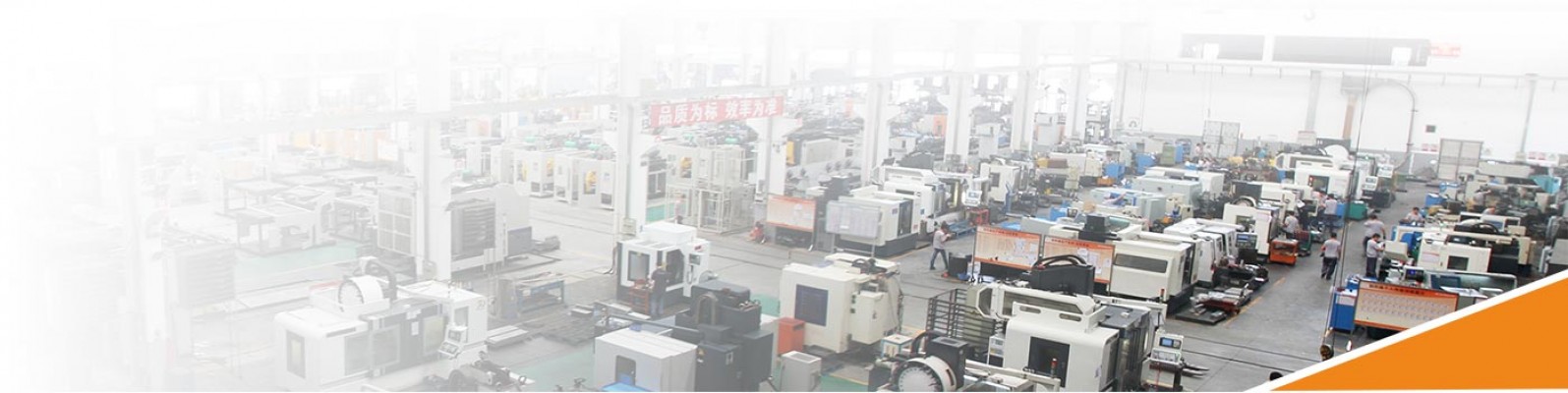
Is Industrial EBM Machine Integration the Key to Smart Factories
Is Industrial EBM Machine Integration the Key to Smart Factories
The rise of smart factories is fundamentally changing the manufacturing landscape, with the integration of industrial Extrusion Blow Molding (EBM) machines playing a critical role. For Leshan, a leading blow molding machine manufacturer, embedding EBM systems within digitally connected, intelligent environments enables unparalleled efficiency, flexibility, and quality. By leveraging IIoT connectivity, AI-driven analytics, and cloud platforms, Leshan’s EBM machines support real-time monitoring, predictive maintenance, and automated process control. This integration results in reduced downtime, enhanced product traceability, and the ability to rapidly adapt to shifting market demands. However, challenges such as legacy equipment integration, cybersecurity, and workforce upskilling must be overcome. Leshan addresses these through modular, secure architectures and comprehensive training programs. The future promises further advances with digital twins, 5G, and sustainable manufacturing practices. In summary, industrial EBM machine integration by Leshan is not only a technological leap but also a strategic enabler for achieving the full vision of smart factories and sustaining competitiveness in the modern manufacturing era.
Introduction to Smart Factories and EBM Machine Integration
The manufacturing sector is undergoing a seismic shift as digital technologies mesh with traditional processes, heralding the era of the smart factory. At the intersection of automation, data exchange, and intelligent control lies the revolutionary concept of integrating Industrial Extrusion Blow Molding (EBM) machines. For Leshan, a renowned blow molding machine manufacturer, the integration of EBM machines into smart factory environments is not just a technological upgrade; it is a strategic imperative for long-term competitiveness and market leadership.
Smart factories, often described as the pinnacle of Industry 4.0, aim to create self-optimizing production environments. These environments require machines, devices, and people to communicate seamlessly, sharing real-time data while leveraging analytics for decision-making. For Leshan, whose portfolio features state-of-the-art blow molding solutions, industrial EBM machine integration is pivotal in unlocking the full potential of digital transformation in plastics manufacturing.
Understanding Extrusion Blow Molding and Its Role in Modern Manufacturing
Extrusion Blow Molding (EBM) is an essential process in the production of hollow plastic parts such as bottles, containers, and automotive components. Leshan's EBM machines, known for their precision, efficiency, and reliability, have been instrumental in shaping the global plastics industry. However, as customer demands evolve and production complexities rise, the need for smarter, interconnected EBM systems becomes evident.
full electric ebm machine
accumulated die head ebm machine
hdpe hydraulic plastic blow molding machine
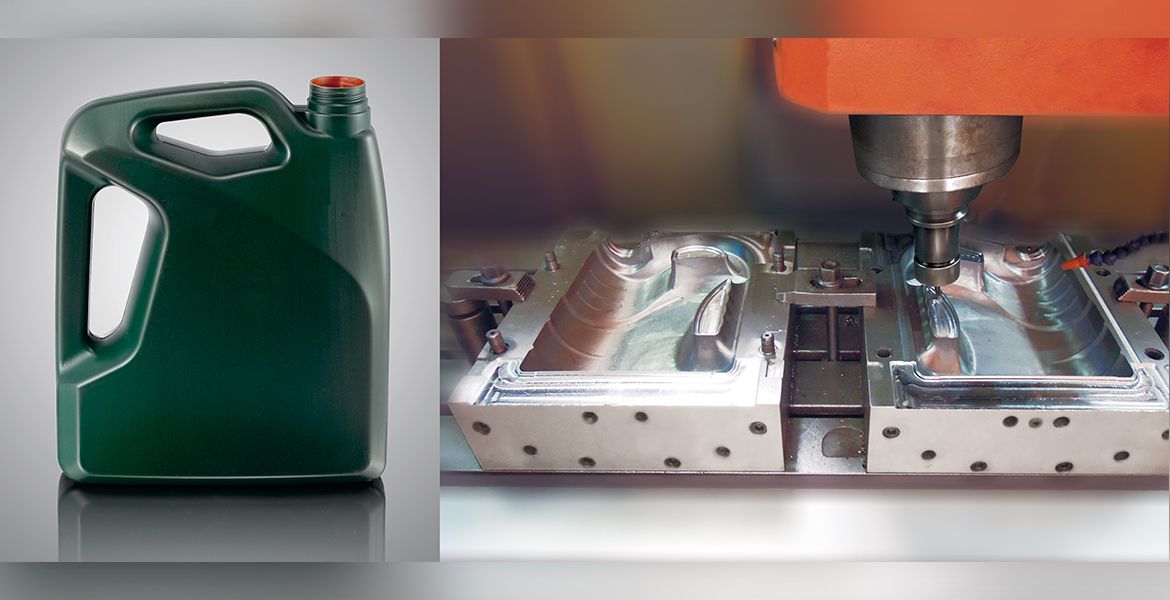
Traditionally, blow molding machines operated as standalone entities, managed by on-site technicians and reliant on manual settings for production runs. This approach, while effective in certain scenarios, often leads to inefficiency, higher operational costs, and limited scalability. Integrating EBM machines into smart factories transforms these limitations into opportunities, enabling automated process control, predictive maintenance, and end-to-end traceability.
Principles and Technologies Behind Industrial EBM Machine Integration
At its core, industrial EBM machine integration involves embedding EBM systems within a broader digital ecosystem. For Leshan, this means equipping its blow molding machines with advanced sensors, programmable logic controllers (PLCs), and Industrial Internet of Things (IIoT) connectivity. These technologies enable real-time data collection, remote monitoring, and adaptive process optimization.
Key Integration Technologies:
- IIoT Connectivity: Facilitates communication between EBM machines, enterprise resource planning (ERP) systems, and other shop-floor equipment.
- Machine Learning & AI: Analyze operational data to optimize molding parameters, reduce defects, and predict maintenance needs.
- Cloud Computing: Offers scalable data storage and analytics, supporting centralized control across multiple production sites.
- Edge Computing: Processes critical data locally for ultra-low-latency decision-making.
- Human-Machine Interfaces (HMIs): Provide intuitive dashboards for operators and managers to monitor and adjust production in real-time.
Benefits of Integrating Leshan EBM Machines into Smart Factories
For Leshan and its clients, the integration of EBM machines into smart factory environments delivers transformative value. Below are the key benefits realized by adopting a digitally connected approach:
1. Enhanced Efficiency and Productivity
Integration enables automated process adjustments based on real-time data, reducing downtime and optimizing cycle times. Leshan’s EBM machines, when digitally networked, can self-calibrate to minimize material waste and energy consumption, thereby increasing overall output per shift.
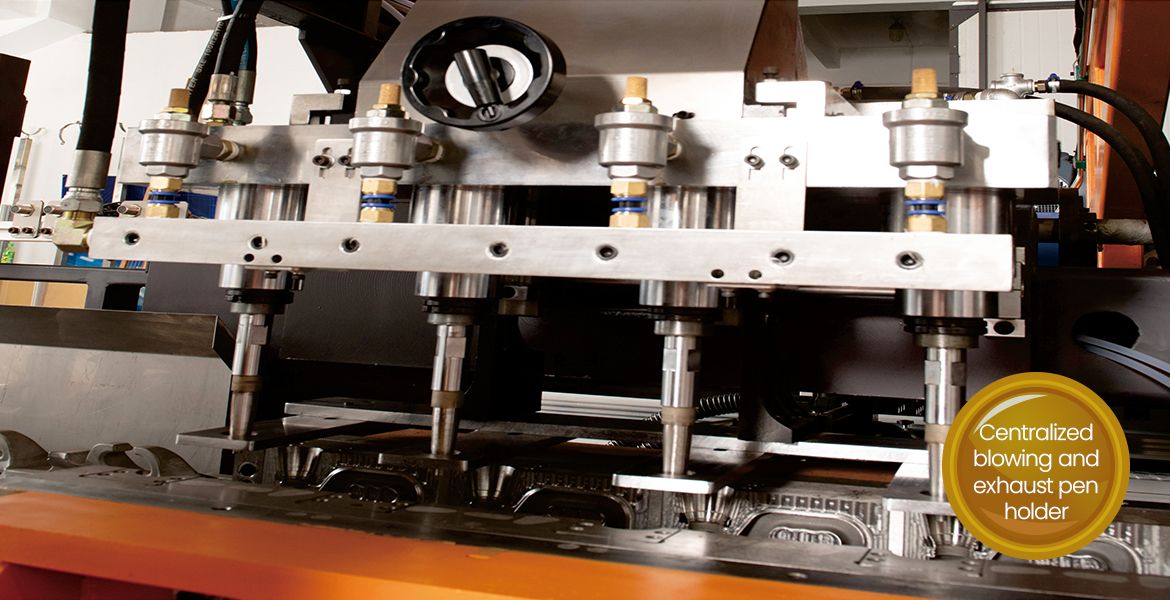
2. Predictive Maintenance and Reduced Downtime
Smart sensors and analytics can identify abnormal patterns in machine behavior, alerting maintenance teams before a failure occurs. Leshan’s EBM systems, equipped with predictive diagnostics, ensure consistent uptime and prolong equipment lifespan.
3. Quality Assurance and Traceability
Integrated EBM machines can log every critical process parameter, linking each molded product to its production history. This traceability is vital for industries like food, pharmaceuticals, and automotive, where compliance and accountability are paramount. Leshan’s solutions provide granular traceability, enabling rapid root-cause analysis and regulatory reporting.
4. Flexible and Scalable Production
With smart integration, production lines can be quickly reconfigured to accommodate new products or changes in customer demand. Leshan’s EBM systems support remote recipe management and centralized control, allowing manufacturers to scale operations without major hardware overhauls.
Challenges in Implementing EBM Machine Integration
While the advantages are compelling, integrating EBM machines into smart factory environments presents several technical and organizational challenges for Leshan and its partners.
- Legacy Equipment Compatibility: Many factories operate a mix of new and aging machinery. Retrofitting older EBM machines with digital capabilities requires careful planning and investment.
- Data Security: Increased connectivity raises concerns about data breaches and intellectual property theft. Leshan addresses this with robust cybersecurity protocols and encrypted communications.
- Workforce Training: Operators must adapt to new roles focused on data analysis and digital troubleshooting. Leshan provides comprehensive training programs to facilitate this transition.
- Integration Complexity: Coordinating multiple machines and systems from different vendors can complicate integration efforts. Open standards and modular architectures help mitigate these issues.
Leshan’s Approach to Smart EBM Integration
Leshan leverages its decades of engineering expertise to deliver integration-ready blow molding solutions tailored to the needs of modern smart factories. The company’s innovation roadmap is anchored by ongoing R&D investment and close collaboration with automation partners.
Key Features of Leshan’s Smart EBM Systems:
- Plug-and-play IIoT modules for seamless connectivity
- AI-driven process optimization algorithms
- Advanced HMIs with multilingual support
- Scalable cloud integration for factory-wide visibility
- Customizable dashboards and reporting tools
By focusing on interoperability, security, and user-centric design, Leshan empowers manufacturers to confidently embrace the smart factory paradigm while maximizing return on investment.
Case Studies: Leshan EBM Integration in Action
Leshan’s commitment to innovation is reflected in numerous successful integrations across diverse industries. Below are two examples that demonstrate the transformative potential of EBM integration:
Case Study 1: Beverage Packaging Manufacturer
- Challenge: High variability in bottle weights and inconsistent quality.
- Solution: Leshan deployed networked EBM machines with real-time process monitoring and recipe control.
- Outcome: Defects reduced by 40%, material usage optimized, and production flexibility enhanced.
Case Study 2: Automotive Parts Supplier
- Challenge: Frequent machine downtimes and unpredictable maintenance costs.
- Solution: Leshan’s predictive maintenance platform integrated with existing EBM lines.
- Outcome: Uptime increased by 25%, and maintenance costs decreased by 15% within one year.
Future Trends in EBM Machine Integration
The future of EBM machine integration is shaped by continued advances in artificial intelligence, 5G connectivity, and edge computing. Leshan is actively exploring the integration of digital twins—virtual replicas of physical machines—for simulation, remote troubleshooting, and lifecycle management. Additionally, the convergence of additive manufacturing (3D printing) with EBM systems is poised to unlock new possibilities in design complexity and production agility.
As sustainability becomes a strategic priority, integrated EBM machines will play a key role in resource optimization, waste reduction, and compliance with environmental regulations.
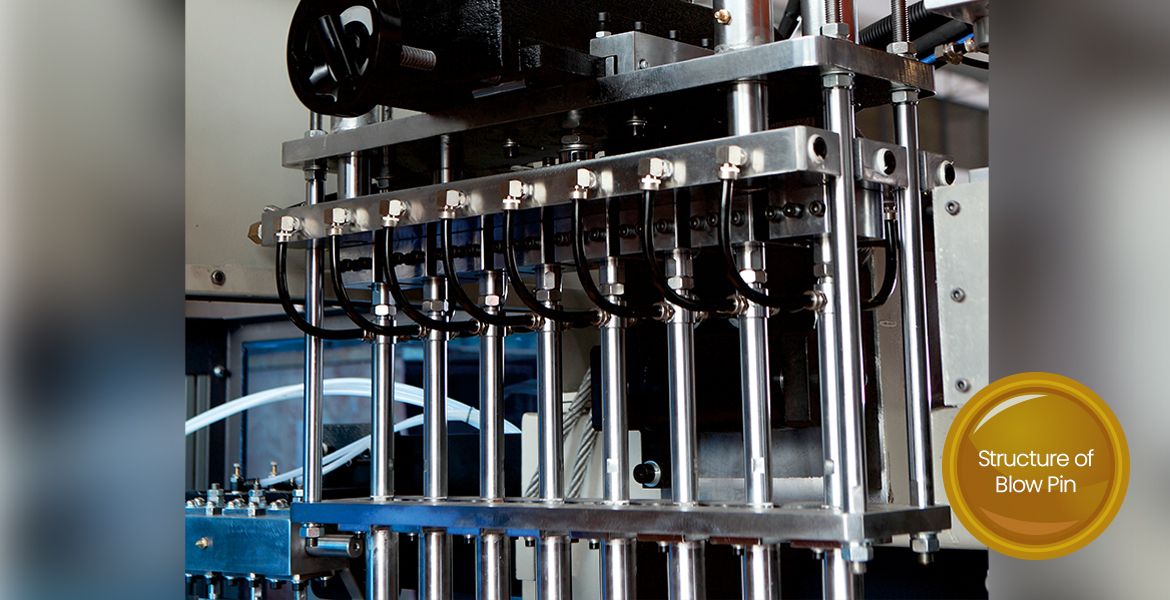
Summary Table: The Value Proposition of Leshan EBM Integration
| Benefit | Description |
|---|---|
| Efficiency Gains | Automated adjustments and optimized cycle times increase throughput. |
| Predictive Maintenance | AI-driven insights minimize unplanned downtime. |
| Quality Traceability | End-to-end data logging for compliance and analysis. |
| Scalability | Flexible configurations for changing production demands. |
| Operator Empowerment | Intuitive HMIs and digital training tools. |
Summary
The integration of industrial EBM machines plays a pivotal role in the evolution of smart factories, and Leshan stands at the forefront of this transformation. By merging advanced blow molding technology with digital platforms, Leshan enables manufacturers to achieve unprecedented levels of efficiency, flexibility, and product quality. From real-time process optimization to predictive maintenance and granular traceability, the integration of EBM machines with IIoT, machine learning, and cloud systems empowers operational excellence. While challenges such as legacy compatibility and workforce training must be addressed, Leshan’s commitment to innovation, security, and user-centric design ensures a smooth transition toward Industry 4.0. As smart factories become the norm, the strategic integration of EBM machines is set to define the next era of competitiveness in plastics manufacturing.