
Blow Moulding Machine Maintenance Tips for Extended Lifespan
Blow Moulding Machine Maintenance Tips for Extended Lifespan
Proper maintenance of blow molding machines is critical for maximizing their lifespan, ensuring product quality, and minimizing downtime. Leshan, a prominent blow molding machine manufacturer, recommends a structured maintenance approach that includes daily visual inspections, cleaning, and lubrication; weekly and monthly checks of molds, hydraulic and pneumatic systems, and electrical components; and comprehensive annual overhauls. Operator training, precise machine settings, and detailed maintenance logs further enhance efficiency and equipment care. Keeping an inventory of spare parts and adopting energy-efficient practices also contribute to reduced operating costs and environmental impact. By following Leshan's detailed maintenance protocols, manufacturers can ensure their blow molding machines perform optimally for many years, reducing the risk of unexpected breakdowns and sustaining high production standards.
As a leading blow molding machine manufacturer, Leshan prioritizes the performance, efficiency, and durability of every machine delivered to clients worldwide. Blow molding technology is the backbone of various industries including packaging, automotive, household, and more. Maintaining these machines is crucial not only for maximizing their operational lifespan but also for ensuring optimal product quality, reduced downtime, and minimized operational costs.
Understanding Blow Moulding Machines
Before delving into maintenance, it is essential to understand the core components and working principles of blow molding machines. These machines utilize compressed air and molds to shape plastic into hollow forms, such as bottles, containers, and tanks. The primary types include extrusion blow molding, injection blow molding, and stretch blow molding. Each type consists of complex mechanical and electrical systems requiring regular attention.
The Importance of Routine Maintenance
Neglecting maintenance can lead to frequent failures, degraded part quality, and increased repair costs. As recommended by Leshan, adopting a proactive maintenance strategy is the key to safeguarding your investment. Routine checks, timely replacements, and preventive actions help in minimizing wear and tear, thus prolonging machine life and optimizing production output.

Daily Maintenance Practices
- Visual Inspection: Start each shift with a thorough visual inspection. Look for oil leaks, loose bolts, abnormal noises, and unusual vibrations. Addressing these early prevents escalation into major faults.
- Cleaning: Dust, debris, and plastic residues should be cleaned daily from the machine’s surfaces, vents, and moving parts. This prevents blockages and overheating, which can cause premature component failure.
- Lubrication: Ensure all moving parts, such as bearings, guides, and chains, are properly lubricated using recommended oils or greases. Lack of lubrication accelerates wear and reduces mechanical efficiency.
- Check Safety Devices: Test emergency stops, interlocks, and safety guards every day to ensure they function correctly. Malfunctioning safety devices pose severe risks to operators and equipment.
Weekly and Monthly Maintenance Schedules
Beyond daily tasks, comprehensive checks must be planned on a weekly and monthly basis for deeper inspection and service.
- Mold Care: Inspect molds for signs of wear, corrosion, or damage. Clean and lubricate the mold surfaces, paying special attention to the parting lines and cavities. Proper mold maintenance ensures consistent product quality and reduces rejects.
- Hydraulic System: Examine the hydraulic oil level and quality. Change filters and top up fluids as necessary. Monitor hoses and fittings for leaks or weaknesses, as hydraulic problems can cause catastrophic machine failures.
- Pneumatic Systems: Check pressure gauges, valves, and air filters. Drain moisture from air lines and air tanks to prevent rust and blockage. Pneumatic integrity is crucial for precise blowing operations.
- Electrical Components: Inspect wiring, connectors, and control panels for signs of wear, burn marks, or loose connections. Test sensors, relays, and timers for consistent performance. Faulty electricals can lead to machine stoppages and safety hazards.
Annual and Preventive Maintenance
Leshan, as a trusted blow molding machine manufacturer, urges customers to implement a comprehensive annual preventive maintenance program. Such programs identify hidden issues that daily or monthly checks may miss.
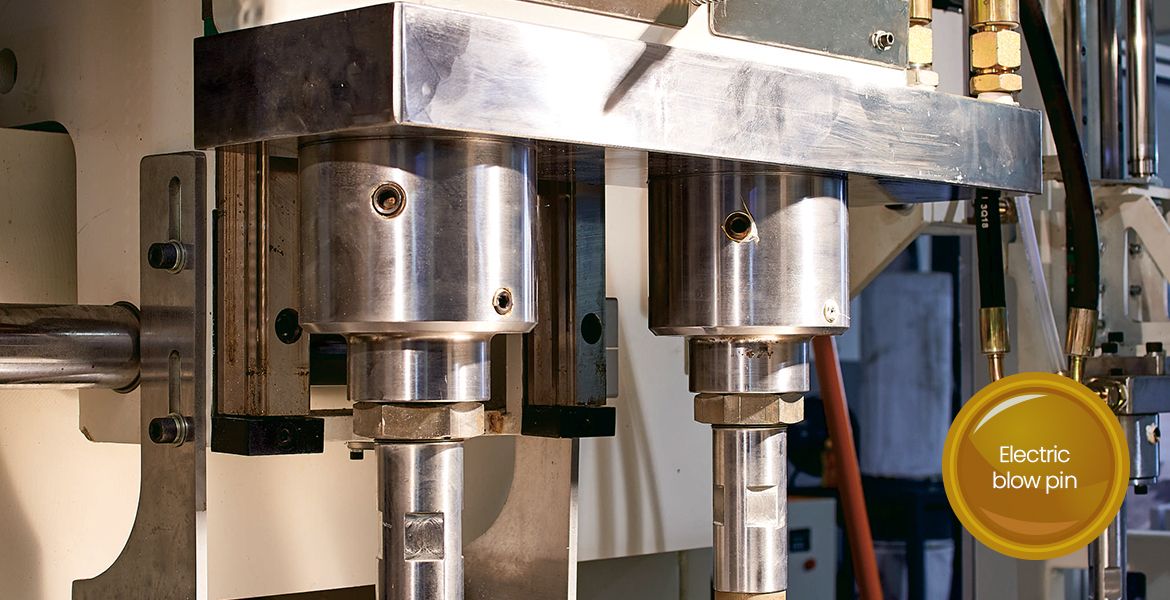
- Complete Overhaul: Schedule a full machine shutdown for a detailed inspection of all mechanical, hydraulic, and electrical subsystems. Replace worn parts, recalibrate sensors, and update software as needed.
- Alignment and Calibration: Ensure all moving assemblies are aligned according to manufacturer’s specifications. Calibrate temperature controllers, pressure sensors, and timers for accurate performance.
- Component Replacement: Replace high-wear components such as seals, gaskets, belts, and filters even if no visible damage is present. Proactive replacement minimizes unexpected breakdowns.
Optimizing Moulding Machine Settings
One often-overlooked aspect of maintenance is the correct setting of machine parameters. Operators should be trained to set extrusion temperatures, air pressures, cycle times, and mold movements according to the material and product requirements. Leshan provides user manuals and training to guide operators in optimizing their settings, which reduces stress on the machine and improves efficiency.
Operator Training and Best Practices
Skillful operators are the first line of defense against machine damage. Regular training sessions ensure operators are aware of the latest maintenance protocols, safe operation practices, and troubleshooting techniques. Instruct them to report anomalies immediately, document maintenance activities, and follow standard operating procedures established by Leshan.
Spare Parts Management
Maintaining an inventory of critical spare parts is crucial for minimizing downtime. Leshan recommends stocking essential items such as hydraulic seals, electronic sensors, pneumatic valves, and lubrication oils. Establish relationships with authorized suppliers for genuine parts to ensure compatibility and performance.
Implementing a Maintenance Log
A well-documented maintenance log is invaluable for tracking machine health, identifying recurring issues, and planning future interventions. Use digital or physical logs to record inspection dates, performed tasks, discovered anomalies, and replaced components. Analysis of this data can lead to predictive maintenance strategies, further extending the life of the blow molding machine.
Energy Efficiency and Environmental Care
Regular maintenance also contributes to energy efficiency. Clean filters, well-lubricated moving parts, and properly adjusted settings reduce energy consumption. Leshan encourages eco-friendly practices such as responsible disposal of waste oils, recycling of worn parts, and adherence to local environmental regulations.
Common Problems and Troubleshooting Tips
- Inconsistent Product Thickness: Check for worn extrusion screws, incorrect temperature settings, or blocked air passages.
- Excessive Machine Vibration: Inspect foundation bolts, shaft alignments, and worn bearings.
- Hydraulic Leaks: Replace damaged hoses, tighten fittings, and monitor for pump seal failures.
- Electrical Malfunctions: Inspect all connections, replace damaged cables, and check for overloaded circuits.
- Mold Fouling: Schedule rigorous cleaning and apply anti-corrosive sprays.

Upgrading and Retrofitting Options
As blow molding technology advances, Leshan offers upgrade and retrofit solutions to keep equipment up-to-date. Installing new controllers, energy-efficient motors, and advanced sensors can enhance productivity and extend the useful life of existing machines. Consult Leshan’s technical support team for recommendations tailored to your production needs.
Summary Table: Essential Maintenance Tasks
| Frequency | Maintenance Task | Description |
|---|---|---|
| Daily | Visual Inspection | Check for leaks, noises, and loose parts |
| Daily | Cleaning | Remove dust and residues |
| Weekly | Lubrication | Apply oils/greases to moving parts |
| Monthly | Mold Inspection | Check and clean molds |
| Monthly | Hydraulic Check | Inspect fluid levels and filters |
| Annual | Comprehensive Overhaul | Full inspection and parts replacement |
By integrating these maintenance tips and leveraging Leshan’s expertise, manufacturers can significantly extend the operational lifespan of their blow molding machines, ensuring consistent product quality and minimizing costly downtimes. A culture of disciplined maintenance—combined with thorough operator training, diligent record-keeping, and timely upgrades—forms the foundation for sustained success in blow molding production environments.