
Full Electric Blow Molding Machine Maintenance Tips for Longevity
Full Electric Blow Molding Machine Maintenance Tips for Longevity
As a trusted blow molding machine manufacturer, Leshan emphasizes that proactive and detailed maintenance is essential to prolong the lifespan and ensure the reliability of full electric blow molding machines. Routine daily checks—such as inspecting for dust, debris, leaks, and proper operation of safety devices—set the foundation for trouble-free operation. Weekly and monthly procedures like servo system calibration, tightening fasteners, cleaning molds, and electronics inspection prevent minor issues from escalating. Annual overhauls, including deep cleaning and replacing wear parts, further safeguard machine performance. Operator training, standardized SOPs, and real-time condition monitoring are crucial best practices, helping teams to catch and resolve problems early. Leshan also recommends maintaining an organized inventory of spare parts and keeping all software up to date for both efficiency and security. Keeping a comprehensive maintenance log supports troubleshooting and continuous improvement. By following these expert tips and leveraging Leshan’s professional support, manufacturers can maximize uptime, reduce repair costs, and extend the productive lifespan of their full electric blow molding equipment.
As a leading blow molding machine manufacturer, Leshan understands the critical importance of maintaining full electric blow molding machines for achieving optimal performance and longevity. Whether you're running high-volume productions or custom projects, consistent and proper maintenance ensures operational efficiency, product quality, and reduced downtime. This detailed guide provides expert insights into essential maintenance practices tailored specifically for full electric blow molding machines, helping your equipment deliver years of reliable service.
Understanding Full Electric Blow Molding Machines
Full electric blow molding machines are renowned for their precision, energy efficiency, and speed. Unlike traditional hydraulic machines, these systems utilize electric servo motors for almost all motions, resulting in less wear and tear, cleaner operations, and lower long-term costs. However, their advanced mechanics and electronics require a specialized maintenance approach.
Daily Maintenance Routines
Visual Inspection and Cleaning
- Check for Leaks, Dust, and Debris: Begin each day by visually inspecting the machine for oil leaks, loose cables, and debris. Dust accumulation can lead to heat build-up or short circuits, so use a soft cloth or compressed air to keep panels, sensors, and moving parts clean.
- Inspect Safety Guards and Switches: Ensure that all safety interlocks, emergency stops, and light curtains are operational and unobstructed. Promptly address any issues to maintain operator safety.
Lubrication and Alignment
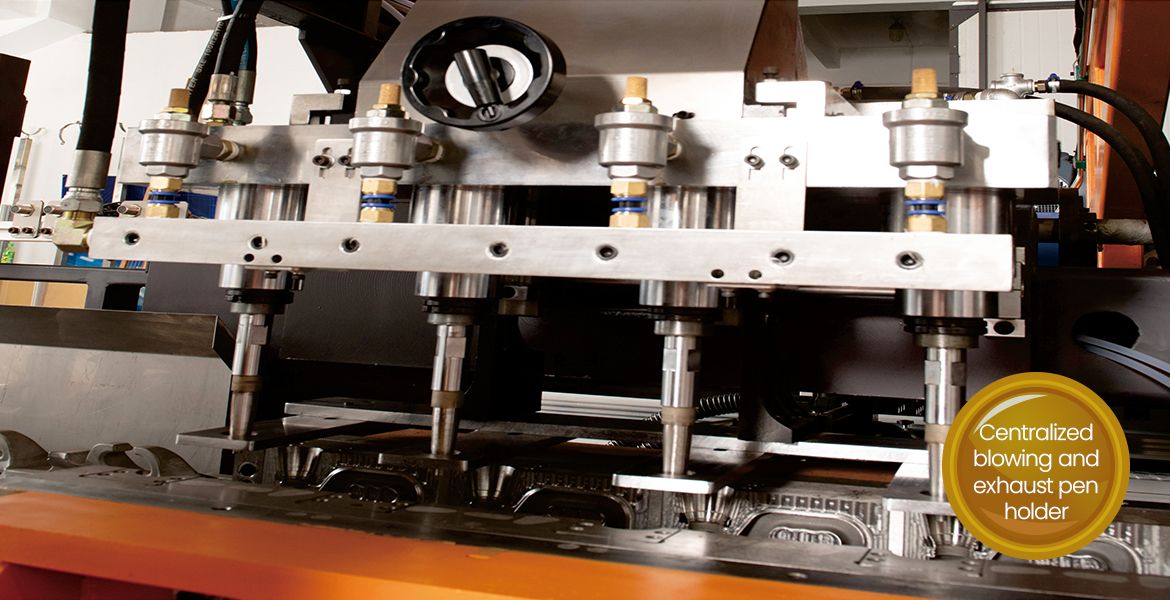
- Monitor Lubrication Levels: Although full electric machines require less lubrication than hydraulic counterparts, certain moving components still need periodic attention. Follow Leshan’s lubrication schedule for guide rails and ball screws, and use only recommended lubricants.
- Check for Unusual Sounds or Vibrations: Listen for abnormal noises during startup and operation, which might indicate misalignment or worn-out components.
Weekly Maintenance Procedures
Calibration and Tightening
- Servo System Calibration: Verify the proper functioning of servo motors. Check for alarm messages, re-calibrate if there are deviations in movement or speed, and ensure synchronization between different axes.
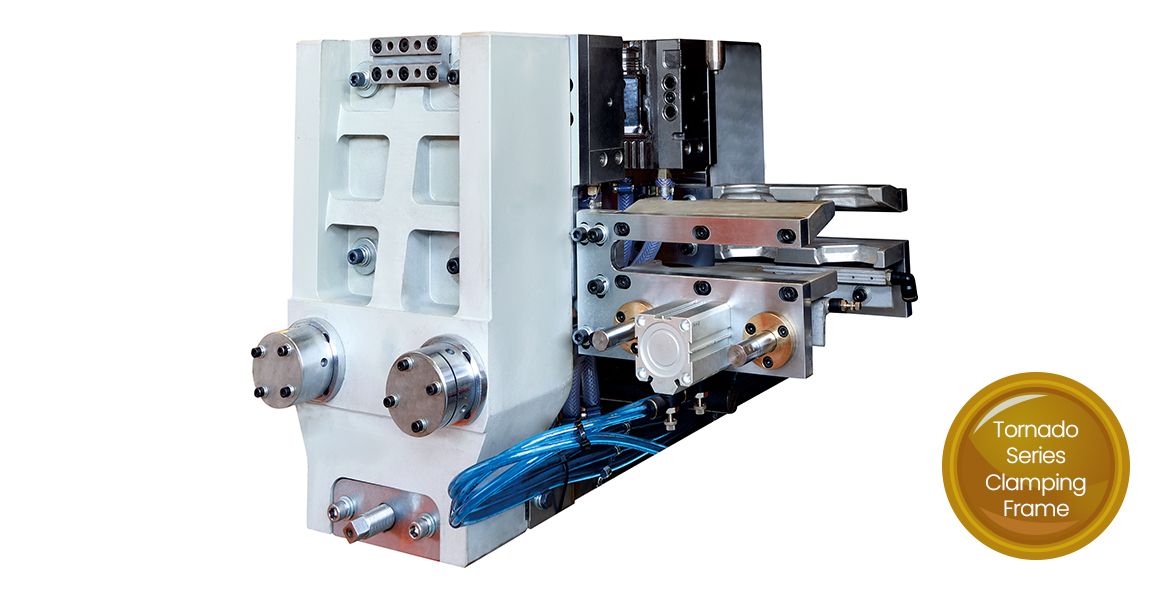
- Tighten Loose Screws and Fasteners: Vibration during operation can gradually loosen fasteners. Inspect and tighten all bolts, nuts, and mounting hardware, especially those securing the mold, platens, and machine frame.
Electrical System Checks
- Examine Wiring and Connectors: Check for damaged insulation, loose wires, or corroded terminals in the control cabinet. Secure all connections and replace faulty components immediately.
- Test Sensors and Switches: Use diagnostic tools to verify that temperature sensors, limit switches, and proximity detectors are delivering accurate signals to the control unit.
Monthly and Quarterly Inspection Tasks
Mold Care and Alignment
- Clean and Inspect Molds: Carefully remove the molds and clean all surfaces using non-abrasive brushes and approved solutions. Look for signs of corrosion, pitting, or buildup, which can affect product quality and machine performance.
- Check Mold Alignment: Use alignment gauges to verify that molds open and close in perfect synchronization, as misalignment can lead to part defects and increased wear on mechanical components.
Mechanical and Electronic Components
- Ball Screws and Guide Rails: Clean, inspect for wear, lubricate, and adjust as needed. Any sign of scoring, pitting, or resistance during movement warrants immediate attention.
- Servo Drives and Controls: Inspect for firmware updates and recalibrate as required. Back up machine parameters and review system logs for recurring alarms or errors.
Annual Preventive Maintenance
Comprehensive Overhaul
- Deep Clean Electrical Cabinets: Remove covers, vacuum dust, and check all PCBs for contaminants. Ensure cooling fans and filters are free from obstruction.
- Replace Wear Parts: Per Leshan’s maintenance manual, replace seals, bushings, and gaskets that are approaching end-of-life to prevent unexpected downtime.
- Professional Calibration: Engage certified Leshan technicians to perform advanced diagnostics on servo motors, controllers, and software systems. Annual recalibration aligns critical systems, maximizing precision and efficiency.
Best Practices for Machine Longevity
Operator Training and Standardization
- Continuous Training: Regularly train operators and maintenance staff on safe machine operation, latest procedures, and how to recognize early warning signs of failure.
- Standardized Procedures: Develop and enforce SOPs (Standard Operating Procedures) for setup, shutdown, changeovers, and cleaning to minimize mistakes and damage.
Condition Monitoring and Predictive Maintenance
- Install Sensors for Real-Time Monitoring: Utilize IoT sensors to track temperature, vibration, and current draw. Early detection of anomalies enables pre-emptive repairs and avoids catastrophic failures.
- Data-Driven Maintenance: Analyze historical machine data to forecast wear trends and optimize the timing of part replacements, extending the life of critical components.
Common Maintenance Challenges and Solutions
Electrical Faults
- Frequent Alarms or Trips: If the machine frequently trips or displays alarms, inspect the control panel, power supply, and grounding. Replace faulty relays, fuses, or sensors promptly.
- Static Electricity Build-up: Use proper grounding and anti-static measures to protect sensitive electronics. Periodically test grounding systems for effectiveness.
Mechanical Wear
- Unusual Noises or Jerky Movements: Investigate immediately. Such symptoms may indicate worn ball screws, misaligned platens, or insufficient lubrication.
- Reduced Accuracy: Check all servo motors, feedback devices, and mechanical linkages for play or backlash. Address issues via recalibration or component replacement.
Recommended Maintenance Schedule Table
| Task | Frequency | Responsible |
|---|---|---|
| Visual Inspection & Cleaning | Daily | Operator |
| Lubrication | Weekly | Maintenance Team |
| Servo Calibration | Weekly | Maintenance Engineer |
| Mold Cleaning & Alignment | Monthly | Tooling Specialist |
| Electrical System Check | Monthly | Electrician |
| Comprehensive Overhaul | Annually | Leshan Service Technician |
Troubleshooting Tips for Prolonged Service Life
Dealing with Overheating
- Ensure cooling fans and heat exchangers are functional and clean.
- Check that control cabinets are properly ventilated and not exposed to excessive ambient heat.
Addressing Product Defects
- Regularly check and calibrate temperature controllers for heater bands and extruder barrels.
- Inspect mold surfaces for damage, wear, or contamination that could affect product finish.
Spare Parts Management and Inventory
Efficient spare parts management is a vital aspect of sustaining long-term operation. Leshan recommends keeping an inventory of frequently used parts such as sensors, heating elements, relays, and mechanical fasteners. Implement a just-in-time (JIT) ordering system for less commonly replaced parts to minimize storage costs while avoiding production delays.

Software and Control System Maintenance
Modern full electric blow molding machines rely on advanced PLCs and HMIs. Keep software updated as per Leshan’s advisories to access improved features, efficiency updates, and enhanced security. Back up all machine programs and parameters regularly to guard against data loss.
Environmental Considerations
- Temperature and Humidity: Maintain the production environment within the recommended temperature and humidity range for optimal machine and electronics performance.
- Cleanliness: Control airborne particles to prevent contamination of sensitive moving and electronic components.
Partnering with Leshan for Maintenance Support
Leshan offers comprehensive after-sales support including operator training, emergency repair services, and preventative maintenance contracts. Leveraging the expertise of the original blow molding machine manufacturer ensures that maintenance procedures follow exacting standards and any upgrades or repairs integrate seamlessly with your system.
Maintenance Documentation and Record Keeping
Maintain a detailed logbook for every machine, recording all maintenance actions, repairs, replacements, and part numbers. This documentation streamlines troubleshooting, supports warranty claims, and helps identify recurring issues that may call for process improvements or equipment upgrades.
Key Takeaways for Longevity
- Establish a proactive maintenance schedule based on Leshan’s recommendations and actual machine usage.
- Prioritize daily inspections and operator training to identify and address issues early.
- Leverage advanced monitoring technologies for predictive maintenance and reduced downtime.
- Partner with Leshan for OEM parts, software updates, and professional service support.