
How an Experienced Extrusion Blow Molding Machine Manufacturer Solves Thick-Wall Part Challenges
How an Experienced Extrusion Blow Molding Machine Manufacturer Solves Thick-Wall Part Challenges
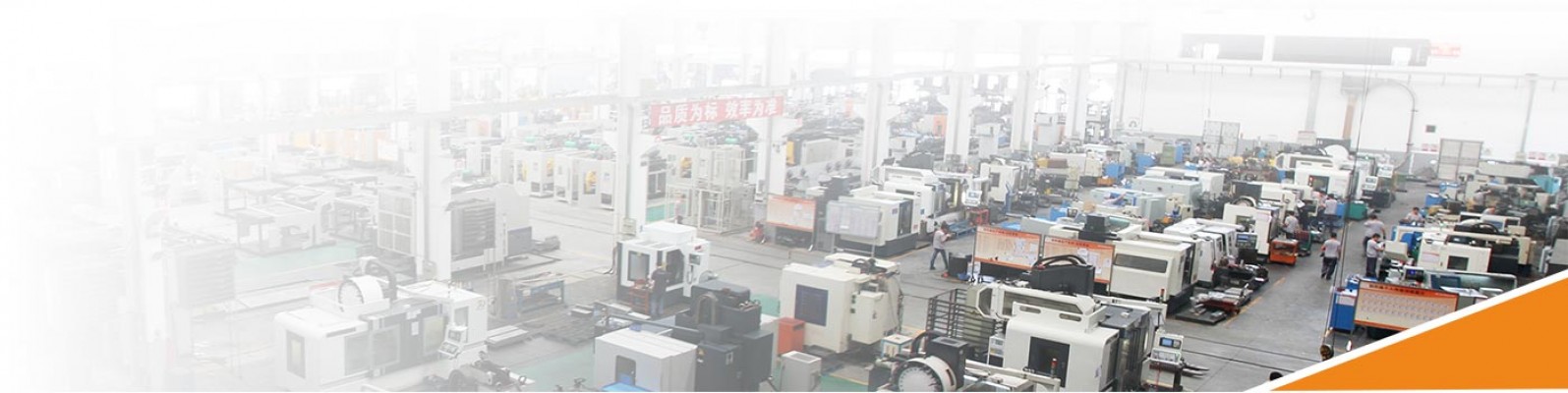
An experienced extrusion blow molding machine manufacturer solves thick-wall part challenges by treating production as an integrated system rather than a single machine problem. Thick-wall parts retain heat, resist even cooling, and are prone to warpage, sink marks, uneven wall thickness, and long cycle times. Leshan, formally Guangdong Leshan Intelligent Equipment Corp., Ltd., addresses these issues through advanced blow molding systems, precision blow molds, centralized feeding systems, fully automatic production technology, auxiliary equipment, customized project solutions, and comprehensive support. The company s blow molding systems provide precise pressure and temperature control for consistent parison formation. Its blow molds are made from high-precision steel, support single-layer, double-layer, and multi-layer production, and are designed for uniform wall thickness, efficient cooling, and long lifespan. Centralized feeding systems stabilize material conveying and drying, reduce waste, and connect multiple machines for centralized management. Auxiliary equipment such as crushers, mixers, chillers, and conveyors further improve efficiency and quality. Leshan s process optimization covers parison programming, die head design, cooling strategy, mold venting, and automation. Proven results include over 50 million bottles annually with zero mold failure for two consecutive years, a multi-layer PET cosmetics line with 30 percent higher efficiency, and an industrial container line running 24/7 for 18 months with ROI in under 12 months. Products meet ISO 9001 and CE standards, with defect rates under 0.5 percent. By combining expertise, customization, reliability, innovation, and customer-centric service, Leshan helps manufacturers achieve stable thick-wall production, lower operational costs, and stronger long-term returns.
Thick-wall extrusion blow molded parts are among the most demanding products in the plastics industry. Industrial drums, large chemical containers, automotive ducts, technical bottles, and heavy-duty packaging all require more than a standard blow molding line can reliably deliver. The challenges are not limited to one stage of production. They begin with material selection, continue through parison formation and mold design, and extend into cooling, automation, quality control, and long-term maintenance. An experienced extrusion blow molding machine manufacturer approaches these challenges as a complete system problem rather than a single machine issue. Guangdong Leshan Intelligent Equipment Corp., Ltd., known as Leshan, has built its reputation on solving exactly these kinds of production puzzles through integrated turnkey solutions.
For thick-wall parts, the margin for error is narrow. A small variation in parison thickness can create a heavy section that refuses to cool, while a thin section can weaken the part and cause failure in the field. Mold temperature differences can produce warpage, sink marks, and inconsistent dimensions. Long cooling times can destroy output targets. Material waste can quietly erode profitability. Leshan addresses these issues by combining advanced blow molding systems, precision blow molds, centralized feeding systems, fully automatic production technology, and customized project engineering. The result is a production environment where thick-wall parts can be manufactured with repeatable quality, controlled cycle times, and predictable cost structures.
Understanding the Real Difficulties of Thick-Wall Parts
Thick-wall parts are not simply standard bottles with more material. The physics of the process changes as wall thickness increases. Heat remains trapped inside the part for a much longer period. Polymer chains need more time to relax. Shrinkage becomes more complex because different areas of the part cool at different rates. Gravity affects the parison more strongly, especially when the part is large and the melt is heavy. These factors create a chain reaction. If the parison is not controlled, the wall thickness becomes uneven. If the wall thickness is uneven, cooling becomes uneven. If cooling is uneven, the part can warp, distort, or fail dimensional inspection. If the part requires excessive cooling, the entire production line slows down.

Many manufacturers try to solve thick-wall problems by increasing cycle time or adding manual inspection. That approach may improve appearance temporarily, but it rarely creates a stable process. Leshan treats thick-wall production as a precision engineering challenge. The company focuses on machine stability, mold accuracy, material conditioning, cooling efficiency, and automation. Each element supports the others, so the final production line can maintain quality without constant intervention.
Thermal Management and Cooling Complexity
Cooling is often the single largest obstacle in thick-wall extrusion blow molding. A thick section stores heat like a thermal reservoir. The outer surface may appear solid while the inner core remains soft. If the part is ejected too early, it can deform after leaving the mold. If it is kept in the mold too long, output falls and energy costs rise. Leshan responds with blow molds designed for efficient cooling, auxiliary chiller and cooling systems that maintain stable mold and product temperatures, and process strategies that balance cooling time with part integrity.
The company s auxiliary equipment range includes chillers and cooling systems that help maintain precise mold and product temperatures. This is especially important for thick-wall parts because temperature stability directly affects shrinkage, surface finish, and dimensional accuracy. When the mold temperature fluctuates, the part inherits that fluctuation. When the mold temperature is controlled, the part can be produced with greater consistency.
Parison Control and Wall Thickness Distribution
Thick-wall parts require excellent parison control. The parison must be thick enough to form the part without thin spots, but not so thick that it wastes material or creates cooling problems. Axial and radial wall thickness control are essential. Die head design, extrusion pressure, melt temperature, and parison programming all influence the final distribution of material. Leshan s blow molding systems are precision engineered for consistent, high-quality production. They support the level of control needed to shape thick-wall parts with uniform wall thickness and reliable mechanical performance.
In practical terms, this means the manufacturer can adjust the parison profile to match the geometry of the mold. Areas that will stretch more can receive additional material. Areas that will remain thick can be reduced. The goal is not simply a thick part. The goal is a part with the right thickness in the right places. That distinction is what separates a functional thick-wall product from an expensive, overweight, and slow-to-produce one.
Material Behavior and Sag
Thick-wall parts are often made from high molecular weight polyethylene, polypropylene, and engineering resins that offer strength and chemical resistance. These materials can be sensitive to moisture, temperature, and shear history. A centralized feeding system helps ensure that material is conveyed and dried under stable conditions. Leshan s centralized feeding systems centrally control the conveying and drying of plastic materials, ensuring stable temperature and reducing manual labor. They can connect multiple extruders or blow molding machines for centralized management.
This matters because inconsistent material conditioning can cause bubbles, surface defects, weak weld lines, and unpredictable shrinkage. A thick-wall part magnifies these problems because there is more material volume and more time for defects to develop. By controlling material handling upstream, Leshan helps eliminate variability before it reaches the die head.
The Leshan Integrated Approach to Thick-Wall Production
Leshan specializes in turnkey solutions that simplify production and enhance efficiency. Its expertise covers a wide range of plastic molding technologies, ensuring seamless operation, increased output, and reduced operational costs. For thick-wall parts, this integrated approach is critical because no single machine can solve every challenge. The company s key offerings include blow molding systems, centralized feeding systems, fully automatic systems, customized project solutions, and comprehensive support.
Leshan is more than a supplier. The company positions itself as a partner in success. That partnership begins with understanding the product, the material, the required output, and the quality standard. From there, Leshan designs a production system that aligns machine capability with mold design, material handling, automation, and service. This is how thick-wall challenges are solved in a way that lasts beyond the first production run.

Blow Molding Systems for Thick-Wall Precision
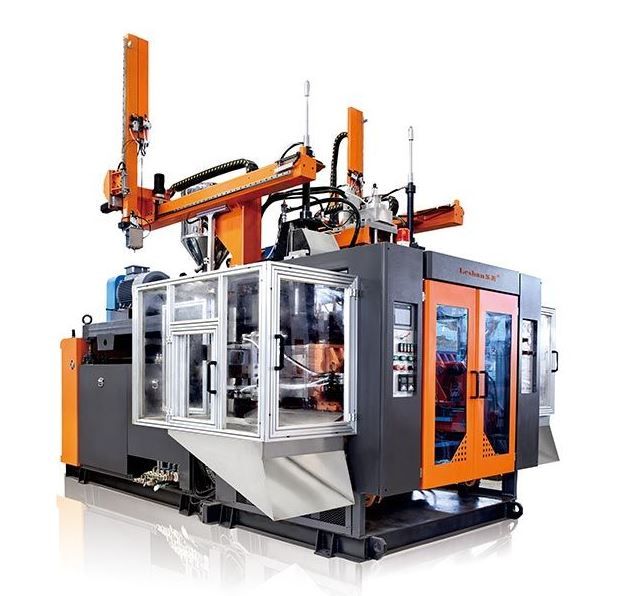
The blow molding machine is the core of the production line. Leshan offers semi-automatic, fully automatic, and multi-station models to meet different production needs. For thick-wall parts, the machine must provide precise control of pressure and temperature. It must also deliver enough extrusion stability to form a consistent parison, even when the part is large and heavy. Leshan s blow molding systems are advanced and precision engineered for consistent, high-quality production.
High output design supports large-scale production, while compatibility with various molds allows the same platform to produce different bottle specifications and container sizes. For thick-wall applications, this flexibility is valuable because production requirements often change. A manufacturer may need to switch from a large industrial container to a technical bottle, or from a single-layer part to a multi-layer structure. Leshan s systems are built to adapt.
Blow Molds Engineered for Uniform Wall Thickness
Blow molds are used for forming bottles, containers, and other plastic products. They are compatible with single-layer, double-layer, or multi-layer extrusion blow molding machines. Leshan s blow molds are made of high-precision steel to ensure stable dimensions and accurate bottle openings. They are customizable in capacity, shape, and wall thickness, and they support quick mold change.
For thick-wall parts, the mold is not a passive shape. It is an active part of thermal management. Precision design ensures uniform wall thickness. High temperature and pressure resistance provide long lifespan, which is ideal for continuous production. Efficient cooling reduces cycle time and boosts output. When a thick-wall part is produced, the mold must be able to remove heat evenly. Otherwise, the part may look acceptable at the surface but contain internal stresses that cause warping or cracking later.
Leshan s mold engineering focuses on the details that matter in thick-wall production: cooling channel layout, venting, surface finish, shrinkage allowance, and opening accuracy. Quick mold change is also supported, with systems that can minimize downtime to under ten minutes in suitable configurations. That speed allows manufacturers to respond to changing orders without sacrificing stability.
Central Feeding and Material Conditioning
Thick-wall production consumes significant amounts of material. Any inconsistency in material supply can affect part weight, wall thickness, and mechanical properties. Leshan s centralized feeding systems improve efficiency, reduce material waste, and ensure seamless feeding. They are compatible with multiple plastic types, including PET, PP, and PE. High automation reduces labor costs, while efficient conveying minimizes material waste.
In thick-wall applications, centralized feeding also supports uniform drying. Moisture in the resin can create bubbles and voids, especially in thick sections where gas cannot easily escape. By maintaining stable temperature and controlled conveying, the feeding system helps protect the quality of the final part. The central feeding system can connect multiple extruders or blow molding machines, allowing centralized management of an entire production floor. This is particularly useful for manufacturers running several thick-wall lines at once.
Auxiliary Equipment That Stabilizes Thick-Wall Production
Leshan provides a range of auxiliary equipment that supports the main blow molding machine. This includes crushers, mixers, chillers and cooling systems, and conveyor belts. Each item plays a specific role in keeping thick-wall production efficient and consistent.
- Crusher: Recycles scrap and edge materials by crushing them. In thick-wall production, scrap can be substantial if the process is not controlled. A crusher allows the manufacturer to recover material and return it to the production cycle where appropriate.
- Mixer: Evenly mixes different colors or functional plastic pellets. Uniform mixing is important for consistent color, additive distribution, and melt behavior in thick sections.
- Chiller and cooling system: Maintains mold and product temperature, ensuring precision. This is one of the most important auxiliary systems for thick-wall parts because cooling directly affects cycle time and dimensional stability.
- Conveyor belt: Automatically transports finished products for continuous production. Automated handling reduces labor and prevents damage that can occur with manual part removal.
These auxiliary systems improve production line efficiency and product quality. Automated operation reduces complexity. Durable design minimizes maintenance costs. Together, they create a production environment where thick-wall parts can be run continuously with fewer interruptions.
Process Optimization for Thick-Wall Parts
An experienced manufacturer knows that machine hardware alone is not enough. The process must be developed, tuned, and documented. Leshan approaches thick-wall production through a series of process optimization steps that cover parison programming, die head design, cooling strategy, mold venting, and automation. This is where the company s years of experience become visible on the production floor.
Parison Programming and Die Head Design
Parison programming is the art and science of controlling material distribution before the mold closes. For thick-wall parts, the parison may need to be thicker in areas that will stretch over corners or deep draws. It may need to be thinner in areas that will remain bulky. The die head must deliver a stable, concentric parison with minimal swirl or weld line weakness. Leshan s blow molding systems support precise control of pressure and temperature, which is essential for repeatable parison formation.
Precision engineering ensures mold tolerance within plus or minus 0.05 mm in suitable applications, guaranteeing consistent bottle quality and container performance. This level of tolerance is not simply a marketing number. It represents the ability to produce molds and machine components that fit together correctly, close reliably, and form parts without flashing or uneven material distribution. For thick-wall parts, where every millimeter of wall thickness matters, this precision is a foundation for success.
Cooling Strategies That Protect Quality and Output
Cooling strategy for thick-wall parts must balance three goals: dimensional stability, surface quality, and cycle time. Leshan uses efficient mold cooling, chiller systems, and process control to remove heat as quickly as possible without creating internal stress. The company s blow molds are designed for efficient cooling to reduce cycle time and boost output. High temperature and pressure resistance support continuous production, which is important when cooling times are longer than those for thin-wall products.
In some thick-wall applications, post-cooling fixtures or controlled cooling conveyors may be used to allow the part to cool gradually while maintaining shape. This prevents warping and reduces the risk of deformation during stacking or transport. Leshan s auxiliary conveyor belts can be integrated into this flow, moving finished products automatically while they continue to stabilize.
Mold Design, Venting, and Surface Control
Mold design for thick-wall parts must account for shrinkage, venting, and surface appearance. Trapped air can cause burns, short shots, or weak areas. Poor venting can also create pressure spikes that affect wall thickness. Leshan s blow molds are made with high-precision steel and are customizable in capacity, shape, and wall thickness. The company supports quick mold change, which allows manufacturers to switch products without long downtime.
Surface control is another consideration. Thick-wall parts often have visible surfaces, especially in cosmetic containers, industrial packaging, and technical components. The mold must produce a consistent texture or finish while still allowing proper release. Leshan balances these requirements through precision mold manufacturing and careful process tuning.
Automation and Consistency
Fully automatic systems are a major advantage in thick-wall production. Intelligent automation technology minimizes downtime, enhances efficiency, and optimizes workflow. Leshan s fully automatic systems help reduce labor by up to 40 percent in suitable applications. They also improve repeatability because the machine performs the same sequence every cycle. For thick-wall parts, where cycle times are longer and material usage is higher, consistency is directly linked to profitability.
Quality monitoring can include visual inspection and leak testing systems. Continuous monitoring helps guarantee defect rates under 0.5 percent in well-controlled production environments. For thick-wall industrial containers, leak testing is especially important because a failure in the field can be costly and dangerous. Leshan integrates quality control into the production line rather than treating it as a separate step.
Proven Results and Real-World Performance
Leshan s experience is supported by concrete results. The company has over 15 years of experience in designing and manufacturing blow molding systems. Precision engineering ensures mold tolerance within plus or minus 0.05 mm, guaranteeing consistent bottle quality. In one case, Leshan partnered with a leading beverage company to produce over 50 million bottles annually with zero mold failure for two consecutive years. That kind of performance demonstrates the durability and reliability of the company s molds and systems.
In another case, Leshan customized a multi-layer PET line for a cosmetics brand. The project increased production efficiency by 30 percent while maintaining strict aesthetic standards. This shows how the company s customization and flexibility can support both technical performance and visual quality. For thick-wall parts, aesthetics and structure often go hand in hand. A cosmetic container may need a thick, premium feel, but it must also be dimensionally accurate and free from defects.
An industrial container line ran 24 hours a day, 7 days a week for 18 months with minimal maintenance interruptions, achieving return on investment in under 12 months. This example highlights the durability and cost-effectiveness of Leshan s approach. High-grade mold steel and advanced cooling systems extend mold life to 5 to 8 years under continuous production in suitable conditions. Auxiliary systems such as crushers, mixers, chillers, and conveyors integrate seamlessly, reducing maintenance costs by 20 percent in many installations.
Why Thick-Wall Manufacturers Choose Leshan
Businesses choose Leshan for several reasons. The company offers proven expertise with years of experience in plastic molding and blow molding. It has in-depth industry knowledge to deliver the best solutions. It also provides tailored solutions rather than one-size-fits-all equipment. Every project is customized to meet unique production needs. Reliability and durability are built into the equipment, ensuring long-term operational stability. The company follows a customer-centric approach, listening, adapting, and delivering solutions that work best for the customer. Finally, Leshan invests in innovative technology, continuously improving and optimizing its products to stay ahead of industry advancements.
For thick-wall parts, these qualities translate into specific benefits. Proven expertise means the manufacturer does not have to solve every problem from scratch. Tailored solutions mean the machine, mold, feeding system, and automation are matched to the product. Reliability means the line can run continuously without frequent breakdowns. A customer-centric approach means the solution evolves as production needs change. Innovative technology means the manufacturer can take advantage of newer control systems, cooling methods, and automation features.
Quality, Compliance, and Long-Term Support
Leshan products meet ISO 9001 and CE standards, ensuring safety and reliability. Continuous monitoring with visual inspection and leak-testing systems helps guarantee defect rates under 0.5 percent. For thick-wall parts, compliance is not only about certificates. It is about building a production system that can be audited, maintained, and improved over time. The company provides comprehensive support, including technical consulting, system integration, maintenance, and upgrades. This end-to-end assistance helps manufacturers protect their investment and maintain output year after year.
Thick-wall extrusion blow molding is a demanding field. It requires more than strong machines. It requires a manufacturer that understands thermal behavior, material flow, mold design, automation, and service. Leshan combines these capabilities into turnkey solutions that simplify production, enhance efficiency, and reduce operational costs. By treating thick-wall challenges as system challenges, the company helps manufacturers achieve consistent quality, higher output, and better returns.
Conclusion: Solving Thick-Wall Challenges Through Integrated Engineering
The most successful thick-wall extrusion blow molding operations are not built on a single improvement. They are built on a chain of improvements that reinforce one another. Precise blow molding machines create stable parisons. Precision blow molds distribute material evenly and remove heat efficiently. Centralized feeding systems keep material conditions consistent. Auxiliary equipment manages cooling, recycling, mixing, and transport. Fully automatic systems reduce labor and improve repeatability. Customized project solutions align every component with the specific product. Comprehensive support keeps the line running at its best.
Leshan represents this integrated approach. As an experienced extrusion blow molding machine manufacturer, the company solves thick-wall part challenges by combining advanced engineering, high-precision molds, automated systems, fast mold changes, long-lasting equipment, and proven cost-effectiveness. The result is a production solution that supports quality, compliance, durability, and return on investment. For manufacturers facing the complexities of thick-wall parts, that combination is not a luxury. It is the foundation of profitable production.