
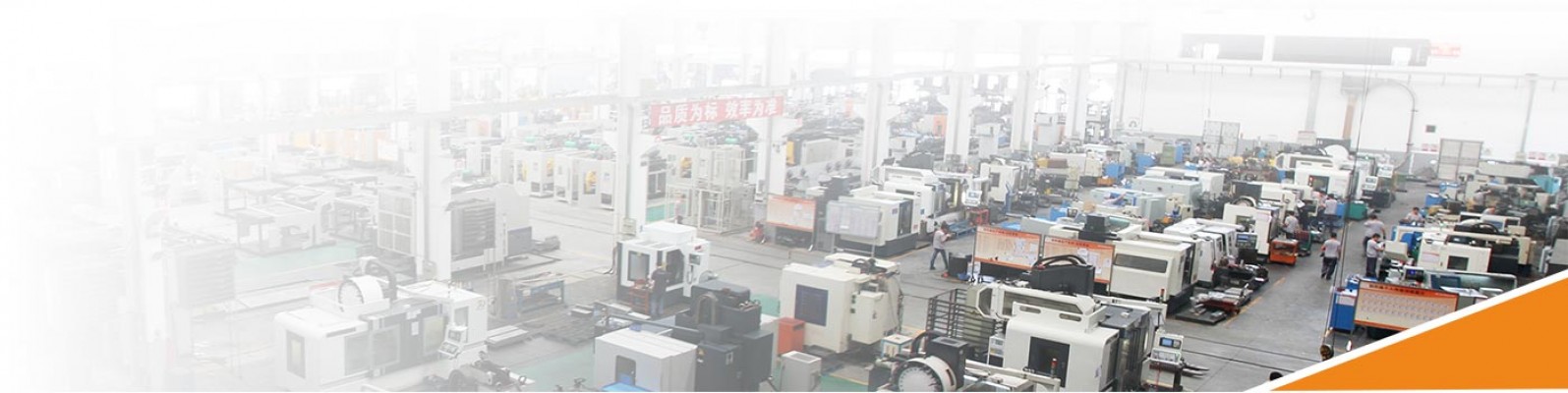
How an Injection Blow Molding Machine Combines Precision Molding with High-Speed Blowing
How an Injection Blow Molding Machine Combines Precision Molding with High-Speed Blowing
This article explains how an injection blow molding machine combines precision molding with high-speed blowing. It begins by describing the core process: injection molding a precise preform, conditioning it, and then blow molding it into a hollow product. The article details the machine architecture, including injection, conditioning, blow, and ejection stations, and highlights the role of blow molds in ensuring uniform wall thickness, accurate neck finishes, and rapid cooling. It also covers central feeding systems that automate material conveying and drying, reducing labor and material waste, as well as auxiliary equipment such as crushers, mixers, chillers, and conveyors. The text emphasizes how Guangdong Leshan Intelligent Equipment Corp., Ltd. (Leshan) integrates these components into turnkey solutions. Leshan's advantages include over 15 years of experience, mold tolerances within plus or minus 0.05 mm, production speeds of 2,000 to 5,000 bottles per hour per station, labor reduction up to 40 percent, material loss reduction of 15 to 20 percent, and mold life of 5 to 8 years. Case studies show a beverage company producing 50 million bottles annually with zero mold failure for two years, a cosmetics brand increasing efficiency by 30 percent, and an industrial container line running 24/7 for 18 months with ROI under 12 months. The article also discusses applications, benefits, selection criteria, installation, support, and future trends such as sustainability, energy efficiency, digitalization, and advanced materials. It concludes that Leshan's precision engineering, customization, durability, and compliance with ISO 9001 and CE standards make it a valuable partner for manufacturers seeking to balance quality and speed.
In the world of plastic manufacturing, the injection blow molding machine stands as a remarkable example of engineering convergence. It brings together two distinct but complementary disciplines: precision molding and high-speed blowing. For manufacturers of bottles, containers, and other hollow plastic products, this combination is not merely a technical curiosity. It is a strategic advantage that determines output, quality, and profitability. Guangdong Leshan Intelligent Equipment Corp., Ltd., known as Leshan, has spent years refining this balance, delivering turnkey solutions that simplify production and enhance efficiency. This article explores how an injection blow molding machine achieves the dual goals of precision and speed, and why companies around the world rely on advanced systems from Leshan to stay competitive.
Understanding the Core of Injection Blow Molding
Injection blow molding is a process that begins with injection molding and ends with blow molding. The machine first injects a molten plastic resin into a precision mold to form a preform, often called a parison. This preform is then transferred to a blow station, where compressed air expands it against the walls of a blow mold. The result is a hollow plastic article with a precise neck finish and a uniform wall thickness. The injection step provides dimensional accuracy, while the blow step provides the final shape and size. When these two steps are integrated into a single machine, the manufacturer gains control over both precision and speed.
Leshan designs and manufactures blow molding systems that embody this integration. The company offers advanced, precision-engineered machines designed for consistent, high-quality production. Their expertise covers a wide range of plastic molding technologies, ensuring seamless operation, increased output, and reduced operational costs. For businesses that need to produce beverage bottles, condiment bottles, cosmetic containers, or industrial chemical containers, the injection blow molding machine is often the preferred solution because it delivers excellent surface finish, tight tolerances, and high production rates.

The Historical Evolution of Blow Molding Technology
Blow molding has evolved significantly since its early days. Initially, extrusion blow molding dominated the market because it was simpler and less expensive. However, extrusion blow molding often struggled with flash, inconsistent wall thickness, and limited neck precision. Injection blow molding emerged as a superior alternative for applications requiring high precision. It eliminated many secondary operations and reduced material waste. Over time, machine builders added multi-station configurations, servo-driven actuators, and advanced process controls. Leshan has been part of this evolution, with over 15 years of experience in designing and manufacturing blow molding systems. Their precision engineering ensures mold tolerance within plus or minus 0.05 mm, guaranteeing consistent bottle quality.
The combination of precision molding and high-speed blowing did not happen overnight. It required innovations in mold design, material science, hydraulic and pneumatic systems, and control algorithms. Today, an injection blow molding machine can produce thousands of bottles per hour while maintaining strict dimensional specifications. This capability is especially important in industries where a single millimeter of variation can cause filling line jams, leakage, or customer rejection.
The Anatomy of an Injection Blow Molding Machine
To understand how precision and speed are combined, one must examine the machine's architecture. An injection blow molding machine typically consists of several key stations: an injection station, a conditioning station, a blow station, and an ejection station. Some machines use a rotary table to move preforms between stations, while others use linear transfer systems. Each station has its own set of molds, actuators, and temperature controls. The coordination of these stations determines cycle time and product quality.
Injection Station: The Birth of Precision
The injection station is where the plastic resin is melted and injected into the preform mold. The quality of the preform dictates the quality of the final product. Leshan's blow molding systems use high-precision screws and barrels to ensure consistent melt temperature and pressure. The injection pressure and holding pressure are carefully controlled to prevent warping, shrinkage, and internal stress. The preform mold itself is made of high-precision steel to ensure stable dimensions and accurate bottle openings. This is critical because the neck finish of a bottle must mate perfectly with caps and closures. Any deviation can cause leaks or spoilage.
Leshan's blow molds are customizable in capacity, shape, and wall thickness. They support quick mold change, which minimizes downtime. The molds are designed to withstand high temperatures and pressures, giving them a long lifespan even under continuous production. Efficient cooling channels in the mold reduce cycle time and boost output. This is a prime example of how precision engineering directly contributes to high-speed blowing.
Conditioning Station: Preparing the Preform
After injection, the preform must be conditioned to the optimal temperature for blowing. If the preform is too hot, it may stretch unevenly. If it is too cold, it may not blow fully. The conditioning station uses controlled air or radiant heating to equalize the temperature throughout the preform. This step is often overlooked, but it is essential for achieving uniform wall thickness. Leshan's fully automatic systems use intelligent automation technology to minimize downtime and optimize workflow. Sensors monitor the preform temperature and adjust the heating elements in real time. This level of control is what allows the machine to combine precision with speed.
Blow Station: High-Speed Expansion
At the blow station, the conditioned preform is placed inside a blow mold. Compressed air is then injected into the preform, expanding it against the mold walls. The blow mold determines the final shape, surface texture, and dimensions of the product. Leshan's blow molding machines precisely control the blowing pressure and temperature to ensure consistent quality. The high output design supports large-scale production. Multi-station blow molding machines can achieve production speeds of 2,000 to 5,000 bottles per hour per station. This is the high-speed blowing component that complements the precision molding step.
Ejection Station: Removing the Finished Product
Once the product has cooled sufficiently, it is ejected from the blow mold. The ejection system must be gentle enough to prevent damage but fast enough to maintain cycle time. Leshan integrates conveyor belts and automated handling systems to transport finished products for continuous production. This reduces manual labor and ensures a smooth workflow. The entire process, from injection to ejection, is synchronized by a central control system. This system monitors pressure, temperature, timing, and position to maintain both precision and speed.
The Role of Blow Molds in Precision and Speed
Blow molds are the heart of the injection blow molding process. They are used for forming bottles, containers, and other plastic products. They are compatible with single-layer, double-layer, or multi-layer extrusion blow molding machines. Leshan's blow molds are made of high-precision steel to ensure stable dimensions and accurate bottle openings. They are customizable in capacity, shape, and wall thickness, and they support quick mold change. The key advantages of these molds include precision design that ensures uniform wall thickness, high temperature and pressure resistance, long lifespan, and efficient cooling that reduces cycle time and boosts output.
Uniform wall thickness is particularly important for high-speed production. If the wall is too thin in one area, the bottle may fail under pressure or during filling. If it is too thick, material is wasted and cooling time increases. Leshan's mold designs use advanced simulation software to optimize the flow of plastic and air. This ensures that every bottle meets the required specifications. The molds are also designed for rapid cooling. By using high-conductivity metals and optimized cooling channels, the mold can remove heat quickly, allowing the product to be ejected sooner. This directly reduces cycle time and increases output.
Quick Mold Change: Minimizing Downtime
In high-speed production, downtime is the enemy of profitability. Leshan's quick mold-change system minimizes downtime to under 10 minutes. This allows manufacturers to switch between different bottle specifications quickly. The system uses standardized mounting plates, quick-release clamps, and pre-heated mold cartridges. Operators can change molds without extensive manual adjustment. This flexibility is essential for companies that produce multiple product lines or seasonal items. For example, a beverage company may need to switch from a 500 mL bottle to a 1.5 L bottle within the same shift. With Leshan's quick mold-change system, this transition is fast and reliable.
Multi-Layer and Multi-Cavity Molds
Leshan supports custom bottle designs, capacities from 100 mL to 10 L, and multi-layer PET or PP blow molding. Multi-layer molds allow the production of containers with barrier properties. For example, a multi-layer PET bottle can have an inner layer of virgin PET, a middle layer of recycled PET, and an outer layer of virgin PET. This reduces cost while maintaining food-grade safety. Multi-cavity molds increase output by producing multiple bottles per cycle. However, they require extremely precise alignment and cooling. Leshan's expertise in mold design ensures that multi-cavity molds deliver consistent quality across all cavities.
Central Feeding Systems: The Backbone of Efficiency
An injection blow molding machine does not operate in isolation. It requires a steady supply of properly dried and mixed plastic material. This is where centralized feeding systems come into play. Leshan's centralized feeding systems automatically handle material conveying and drying. They ensure stable temperature and reduce manual labor. They can connect multiple extruders or blow molding machines for centralized management. The key advantages include high automation that reduces labor costs, efficient conveying that minimizes material waste, and compatibility with multiple plastic types such as PET, PP, and PE.
Material drying is critical for precision molding. Moisture in the resin can cause hydrolysis, which degrades the plastic and creates defects. Leshan's central feeding systems use dehumidifying dryers and closed-loop conveying to maintain low moisture levels. The systems also mix different colors or functional plastic pellets evenly. This ensures that the final product has consistent color and properties. By centralizing these functions, manufacturers can reduce material loss by 15 to 20 percent and ensure uniform drying for better product consistency. This directly supports the high-speed blowing process because consistent material flow prevents interruptions and quality variations.
Automated Material Handling
Leshan's centralized feeding systems are fully automated. They use vacuum conveyors, hopper loaders, and level sensors to transport material from storage silos to the machine. Operators do not need to manually fill hoppers or monitor material levels. This reduces labor by up to 40 percent when combined with other automated systems. The systems also include filters and separators to remove dust and fines, which can clog nozzles and cause defects. The result is a seamless feeding process that keeps the injection blow molding machine running at peak efficiency.
Auxiliary Equipment: Supporting Precision and Speed
In addition to blow molds and central feeding systems, a complete injection blow molding line includes auxiliary equipment. Leshan offers a range of auxiliary systems that integrate seamlessly with their blow molding machines. These include crushers, mixers, chillers, and conveyor belts. Each plays a specific role in maintaining precision and speed.
Crusher: Recycling Scrap and Edge Materials
A crusher recycles scrap and edge materials by crushing them into small granules. These granules can be reintroduced into the production process, reducing waste and raw material costs. Leshan's crushers are designed to handle various plastic types, including PET, PP, and PE. They feature durable blades and low-noise operation. By recycling scrap, manufacturers can improve their sustainability profile and lower production costs. The crusher must be integrated with the central feeding system to ensure that recycled material is proportionally mixed with virgin material. Leshan's systems do this automatically, maintaining consistent quality.
Mixer: Evenly Mixing Pellets
A mixer evenly mixes different colors or functional plastic pellets. This is essential when producing colored bottles or containers with additives such as UV stabilizers or anti-static agents. Leshan's mixers use vertical or horizontal augers to achieve a homogeneous blend. They are equipped with timers and sensors to ensure consistent mixing cycles. An uneven mix can cause color streaks or performance variations. By integrating the mixer with the central feeding system, Leshan ensures that every preform receives the correct formulation.
Chiller and Cooling System: Maintaining Precision
A chiller or cooling system maintains mold and product temperature, ensuring precision. In injection blow molding, heat is the enemy of speed. If the mold is too hot, the plastic will not solidify quickly enough, leading to longer cycle times and deformation. If the mold is too cold, the plastic may not flow properly, causing short shots or internal stress. Leshan's chillers provide precise temperature control, often within plus or minus 0.5 degrees Celsius. They use environmentally friendly refrigerants and energy-efficient compressors. The cooling system also cools the hydraulic oil and the compressed air, which improves overall machine reliability.
Conveyor Belt: Continuous Product Transport
A conveyor belt automatically transports finished products for continuous production. It moves bottles or containers from the ejection station to the next stage, such as inspection, labeling, or packing. Leshan's conveyors are designed with adjustable speed and height to match the machine's output. They use food-grade belts and stainless steel frames to prevent contamination. By automating product transport, manufacturers can reduce manual handling and prevent damage. This is another example of how auxiliary equipment supports high-speed operation without sacrificing precision.
The Blow Molding Machine: Core Equipment
The blow molding machine is the core equipment for producing plastic bottles and containers. Leshan offers semi-automatic, fully automatic, and multi-station models to meet different production needs. The key advantages include precise control of pressure and temperature, which ensures consistent quality, high output design that supports large-scale production, and compatibility with various molds for different bottle specifications. Applications include beverage bottles, condiment bottles, cosmetic containers, and industrial chemical containers.
Leshan's blow molding machines are available in various configurations. Semi-automatic machines are suitable for small-scale production or prototyping. Fully automatic machines are designed for continuous operation with minimal operator intervention. Multi-station machines use a rotary table to perform injection, conditioning, blowing, and ejection simultaneously. This parallel processing dramatically reduces cycle time. For example, a four-station machine can produce a bottle every few seconds, whereas a single-station machine would take much longer. The multi-station design is the key to high-speed blowing.
Precise Control of Pressure and Temperature
Precise control of pressure and temperature is essential for consistent quality. Leshan's machines use closed-loop control systems with high-resolution sensors. The injection pressure is monitored and adjusted in real time to compensate for viscosity changes. The blow pressure is controlled to ensure complete expansion without over-stretching. The temperature of the melt, the preform, and the mold are all independently controlled. This level of precision ensures that every bottle meets the same specifications, even at high production speeds. Defect rates are kept under 0.5 percent through continuous monitoring with visual inspection and leak-testing systems.
High Output Design
High output design supports large-scale production. Leshan's multi-station blow molding machines achieve production speeds of 2,000 to 5,000 bottles per hour per station. With multiple stations, total output can reach tens of thousands of bottles per hour. This is possible because the machine uses servo-driven actuators for fast and accurate movements. The hydraulic system is optimized for rapid response and energy efficiency. The cooling system is designed to remove heat quickly. The material feeding system ensures a constant supply of dried resin. All these elements work together to maximize output without compromising precision.
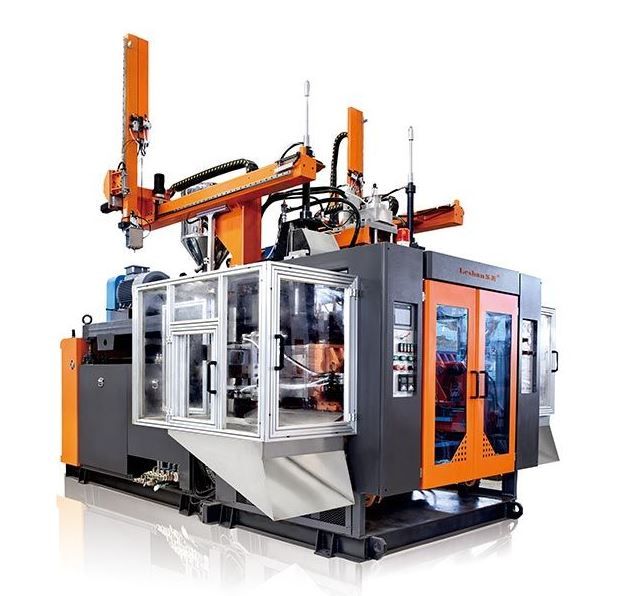
How Precision Molding and High-Speed Blowing Are Integrated
The integration of precision molding and high-speed blowing is not automatic. It requires careful engineering and advanced control systems. Leshan achieves this integration through several design principles. First, the machine uses a common base and frame to ensure alignment between stations. Second, the transfer system moves preforms quickly and accurately. Third, the control system synchronizes all actions. Fourth, the molds are designed for rapid cooling and quick change. Fifth, the auxiliary systems provide consistent material and temperature control.
Real-Time Monitoring and Feedback
Leshan's machines are equipped with real-time monitoring and feedback systems. Sensors measure pressure, temperature, position, and cycle time. The data is sent to a central processor that adjusts the machine parameters automatically. For example, if the melt temperature rises, the processor reduces the heating power. If the blow pressure drops, the processor increases the air supply. This closed-loop control ensures that the process remains stable even as ambient conditions change. It also allows the machine to run at higher speeds without producing defects.
Servo-Driven Actuators
Servo-driven actuators are used for injection, clamping, and ejection. Unlike hydraulic actuators, servo motors provide precise position and velocity control. They are also more energy-efficient because they only consume power when moving. Leshan's machines use servo technology to achieve fast cycle times and repeatable motions. For example, the injection screw can accelerate and decelerate smoothly, reducing wear and improving melt quality. The clamping system can apply just the right amount of force to hold the mold closed without crushing it. This precision is essential for high-speed operation.
Advanced Mold Cooling
Advanced mold cooling is another key integration point. Leshan's molds use conformal cooling channels that follow the shape of the bottle. This ensures uniform cooling and reduces cycle time. The cooling system is connected to a central chiller that provides a constant supply of coolant. The flow rate and temperature are controlled by valves that respond to sensor data. By cooling the mold quickly, the machine can eject the product sooner and start the next cycle. This directly increases output while maintaining dimensional accuracy.
Leshan's Turnkey Solutions and Core Advantages
Leshan is more than just a supplier. The company positions itself as a partner in success. Businesses choose Leshan for several reasons. First, proven expertise: with years of experience in plastic molding and blow molding, Leshan has in-depth industry knowledge to deliver the best solutions. Second, tailored solutions: Leshan does not believe in one-size-fits-all. Every project is customized to meet unique production needs. Third, reliability and durability: Leshan's high-performance equipment is built to last, ensuring long-term operational stability. Fourth, customer-centric approach: Leshan listens, adapts, and delivers solutions that work best for the customer. Fifth, innovative technology: Leshan continuously improves and optimizes its products to stay ahead of industry advancements.
Leshan specializes in turnkey solutions that simplify production and enhance efficiency. Their expertise covers a wide range of plastic molding technologies, ensuring seamless operation, increased output, and reduced operational costs. Key offerings include blow molding systems, centralized feeding systems, fully automatic systems, customized project solutions, and comprehensive support. Blow molding systems are advanced, precision-engineered machines designed for consistent, high-quality production. Centralized feeding systems are automated material handling solutions that improve efficiency, reduce material waste, and ensure seamless feeding. Fully automatic systems use intelligent automation technology to minimize downtime, enhance efficiency, and optimize workflow. Customized project solutions are tailor-made systems designed to meet specific production requirements, from initial planning and design to final installation and operation. Comprehensive support includes end-to-end assistance, including technical consulting, system integration, maintenance, and upgrades.
Case Study: Beverage Company Achieves 50 Million Bottles Annually
One of Leshan's notable successes is a partnership with a leading beverage company. The company needed to produce over 50 million bottles annually. They required a machine that could maintain high precision while running at high speed. Leshan provided a fully automatic injection blow molding system with multi-station configuration. The system included precision blow molds, a central feeding system, and auxiliary equipment such as chillers and conveyors. The result was zero mold failure for two consecutive years. The beverage company achieved consistent bottle quality, high output, and low maintenance costs. This case demonstrates how Leshan's integrated approach combines precision molding with high-speed blowing.
Case Study: Cosmetics Brand Increases Efficiency by 30 Percent
Another case involved a cosmetics brand that needed multi-layer PET bottles with strict aesthetic standards. The brand wanted to increase production efficiency while maintaining a premium look. Leshan customized a multi-layer PET line for the brand. The line included a multi-station blow molding machine, quick mold-change system, and a central feeding system that handled both virgin and recycled PET. The result was a 30 percent increase in production efficiency. The bottles had uniform wall thickness, excellent surface finish, and accurate neck dimensions. The brand was able to launch new products faster and reduce unit costs. This case highlights Leshan's customization and flexibility.
Case Study: Industrial Container Line Runs 24/7 for 18 Months
A manufacturer of industrial chemical containers needed a production line that could run continuously. They chose Leshan for a complete turnkey solution. The line included a heavy-duty blow molding machine, high-grade molds, a central feeding system, and auxiliary equipment. The line ran 24 hours a day, 7 days a week, for 18 months with minimal maintenance interruptions. The manufacturer achieved a return on investment in under 12 months. The molds lasted 5 to 8 years under continuous production. The auxiliary systems reduced maintenance costs by 20 percent. This case proves the durability and cost-effectiveness of Leshan's equipment.
Applications Across Industries
Injection blow molding machines are used in a wide range of industries. Leshan's machines are compatible with various molds for different bottle specifications. Applications include beverage bottles, condiment bottles, cosmetic containers, and industrial chemical containers. Each application has its own requirements for precision and speed.
Beverage Bottles
Beverage bottles require high clarity, consistent wall thickness, and precise neck finish. They must withstand carbonation pressure and filling line forces. Leshan's machines produce PET bottles with excellent surface finish and dimensional accuracy. The high-speed blowing capability allows beverage companies to meet large-volume demand. The central feeding system ensures that the PET resin is properly dried and mixed, preventing defects such as bubbles or streaks.
Condiment Bottles
Condiment bottles often have complex shapes and wide mouths. They may be made of PP or PE. Leshan's blow molds can be customized to produce these shapes with uniform wall thickness. The quick mold-change system allows manufacturers to switch between different bottle sizes and shapes. The auxiliary equipment, such as crushers and mixers, helps recycle scrap and maintain color consistency.
Cosmetic Containers
Cosmetic containers demand high aesthetic quality. They may have multi-layer structures for barrier properties or special finishes. Leshan's multi-layer blow molding technology produces containers with glossy surfaces and precise dimensions. The precision molding step ensures that the neck and threads are accurate, so caps fit perfectly. The high-speed blowing step ensures that production is cost-effective.
Industrial Chemical Containers
Industrial chemical containers must be durable and resistant to chemicals. They are often larger, with capacities up to 10 L or more. Leshan's machines can produce thick-walled containers with uniform thickness. The molds are made of high-grade steel to withstand the pressure and temperature. The auxiliary cooling systems ensure that the containers cool evenly, preventing warping. The conveyor belts transport the heavy containers safely.
Benefits of Combining Precision and Speed
The combination of precision molding and high-speed blowing yields numerous benefits. First, it improves product quality. Precise dimensions and uniform wall thickness reduce defects and customer complaints. Second, it increases productivity. High-speed blowing allows manufacturers to produce more bottles per hour, reducing unit costs. Third, it reduces waste. Central feeding and recycling systems minimize material loss. Fourth, it reduces labor. Fully automated systems require fewer operators. Fifth, it extends mold life. High-grade steel and advanced cooling reduce wear and tear. Sixth, it ensures compliance. Leshan's products meet ISO 9001 and CE standards, ensuring safety and reliability.
Labor Reduction
Fully automated production lines reduce labor by up to 40 percent. Operators only need to monitor the machine and perform routine maintenance. The central feeding system eliminates manual material handling. The conveyor belt eliminates manual product transport. The automatic ejection system eliminates manual removal. This reduces labor costs and allows manufacturers to allocate workers to higher-value tasks.
Material Savings
Central feeding systems reduce material loss by 15 to 20 percent. They ensure uniform drying, which prevents defects that would require scrapping. The crusher recycles scrap and edge materials, reducing raw material purchases. The mixer ensures that colorants and additives are evenly distributed, avoiding overuse. These savings add up quickly in high-volume production.
Mold Durability
High-grade mold steel and advanced cooling systems extend mold life to 5 to 8 years under continuous production. This reduces the frequency of mold replacement and the associated downtime. Leshan's molds are designed to withstand high temperatures and pressures. They are also easy to maintain. The quick mold-change system allows operators to replace molds without damaging them.
Maintenance Cost Reduction
Auxiliary systems such as crushers, mixers, chillers, and conveyors integrate seamlessly, reducing maintenance costs by 20 percent. They are designed for durability and ease of service. Leshan provides comprehensive support, including technical consulting, system integration, maintenance, and upgrades. This ensures that the equipment remains in optimal condition throughout its life.
Quality and Compliance
Leshan's products meet ISO 9001 and CE standards. Continuous monitoring with visual inspection and leak-testing systems guarantees defect rates under 0.5 percent. This is critical for industries such as food and beverage, cosmetics, and pharmaceuticals. Compliance with international standards also allows manufacturers to export their products to global markets.
Choosing the Right Injection Blow Molding Machine
When selecting an injection blow molding machine, manufacturers should consider several factors. These include production capacity, bottle specifications, material type, automation level, and budget. Leshan offers customized project solutions to meet specific production requirements. The company works with clients from initial planning and design to final installation and operation.
Production Capacity
Production capacity is usually measured in bottles per hour. Leshan's multi-station machines achieve 2,000 to 5,000 bottles per hour per station. For higher output, multiple stations can be used. Manufacturers should estimate their annual demand and choose a machine that can meet it with room for growth. Over-specifying can waste capital, while under-specifying can limit growth.
Bottle Specifications
Bottle specifications include capacity, shape, wall thickness, and neck finish. Leshan supports capacities from 100 mL to 10 L. They can produce single-layer, double-layer, or multi-layer bottles. They can also produce custom shapes. Manufacturers should provide samples or CAD files to Leshan for mold design.
Material Type
Different materials require different processing conditions. PET is commonly used for beverage bottles because it is strong, clear, and recyclable. PP and PE are used for condiment bottles and industrial containers. Leshan's central feeding systems are compatible with multiple plastic types. The machine's temperature and pressure controls can be adjusted for each material.
Automation Level
Automation level affects labor costs and consistency. Semi-automatic machines are suitable for low-volume or flexible production. Fully automatic machines are suitable for high-volume production. Leshan's fully automatic systems use intelligent automation technology to minimize downtime, enhance efficiency, and optimize workflow. They are recommended for manufacturers who want to reduce labor and increase output.
Budget and ROI
Budget is always a consideration. However, the lowest purchase price may not be the most cost-effective. Manufacturers should consider total cost of ownership, including energy, labor, maintenance, and material waste. Leshan's equipment is designed for durability and cost-effectiveness. In one case, an industrial container line achieved ROI in under 12 months. This shows that a higher initial investment can pay off quickly through higher efficiency and lower operating costs.
Installation, Training, and Support
Leshan provides comprehensive support throughout the project lifecycle. This includes technical consulting, system integration, maintenance, and upgrades. The company's engineers work with clients to design the layout, install the equipment, and train operators. This ensures that the machine is set up correctly and runs at peak performance from day one.
Technical Consulting
Technical consulting helps clients choose the right machine and configure it for their specific needs. Leshan's experts analyze the client's production goals, material requirements, and facility constraints. They recommend the optimal combination of blow molding machine, molds, central feeding system, and auxiliary equipment. They also provide cost-benefit analysis and ROI projections.

System Integration
System integration ensures that all components work together seamlessly. Leshan integrates the blow molding machine with the central feeding system, chillers, conveyors, and crushers. They also integrate the machine with the client's existing ERP or MES systems for production tracking. This provides real-time data on output, quality, and downtime.
Maintenance and Upgrades
Regular maintenance is essential for long-term reliability. Leshan offers maintenance contracts that include scheduled inspections, replacement parts, and software updates. They also offer upgrades to improve performance or add new features. For example, an older machine can be upgraded with servo-driven actuators or a new control system. This extends the machine's life and keeps it competitive.
Future Trends in Injection Blow Molding
The injection blow molding industry continues to evolve. Several trends are shaping the future. These include sustainability, energy efficiency, digitalization, and advanced materials. Leshan is at the forefront of these trends, continuously improving and optimizing its products.
Sustainability
Sustainability is a major driver. Manufacturers are under pressure to reduce waste, energy consumption, and carbon footprint. Leshan's central feeding systems reduce material loss by 15 to 20 percent. The crusher recycles scrap. The chillers use environmentally friendly refrigerants. The machines are designed for energy efficiency. Leshan also supports multi-layer PET blow molding, which allows the use of recycled PET in the middle layer. This reduces the use of virgin plastic.
Energy Efficiency
Energy efficiency is closely linked to sustainability and cost. Leshan's machines use servo-driven actuators that consume less power than hydraulic systems. The cooling systems are optimized to reduce energy use. The central feeding system uses efficient vacuum conveyors. These features lower the cost per bottle and reduce the environmental impact.
Digitalization and Industry 4.0
Digitalization is transforming manufacturing. Leshan's machines can be equipped with sensors and connectivity for Industry 4.0. This allows remote monitoring, predictive maintenance, and data analytics. Operators can view performance metrics on a dashboard and receive alerts when parameters deviate. This reduces downtime and improves quality. It also enables integration with smart factories.
Advanced Materials
Advanced materials are expanding the capabilities of injection blow molding. New grades of PET, PP, and PE offer better barrier properties, higher heat resistance, and improved recyclability. Leshan's machines are compatible with these materials. Their central feeding systems can handle multiple material types. Their blow molds can be designed for the specific shrinkage and cooling characteristics of each material.
Conclusion
An injection blow molding machine is a sophisticated piece of equipment that combines precision molding with high-speed blowing. The injection step creates a precise preform, while the blow step expands it into a finished product at high speed. The integration of these two steps requires advanced mold design, precise process control, and reliable auxiliary systems. Leshan, or Guangdong Leshan Intelligent Equipment Corp., Ltd., has mastered this integration. With over 15 years of experience, precision engineering, and a customer-centric approach, Leshan delivers turnkey solutions that simplify production and enhance efficiency. Their blow molding systems, centralized feeding systems, fully automatic systems, customized project solutions, and comprehensive support help manufacturers achieve high output, consistent quality, and low operational costs. Whether producing beverage bottles, condiment bottles, cosmetic containers, or industrial chemical containers, Leshan's machines provide the precision and speed that modern manufacturing demands. By choosing Leshan, businesses gain a partner in success, not just a supplier.