
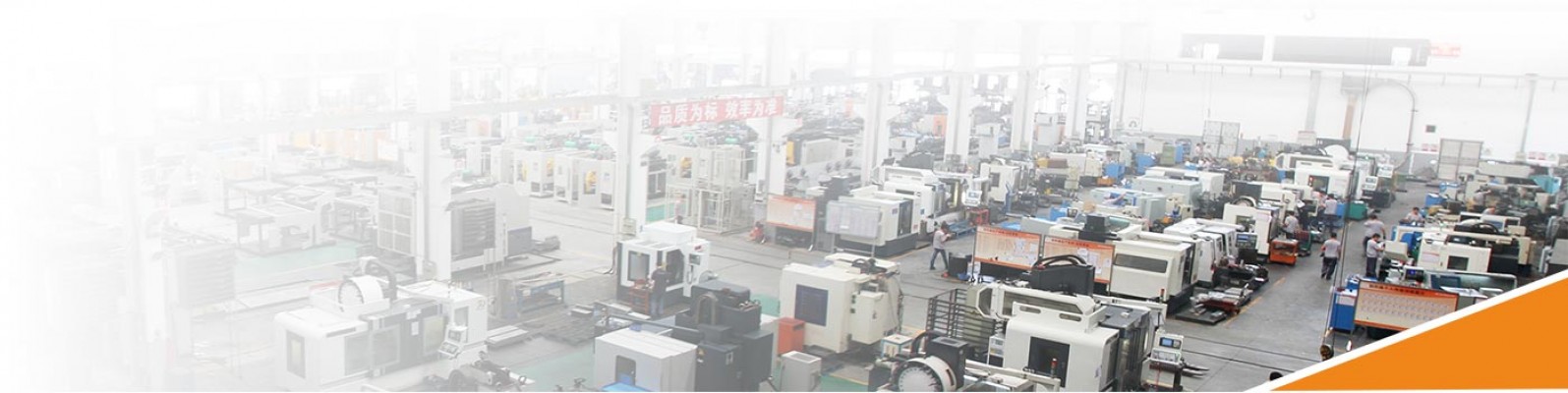
How Does EBM Machine Control Improve Output Consistency
How Does EBM Machine Control Improve Output Consistency
Leshan, a leading blow molding machine manufacturer, has revolutionized output consistency in extrusion blow molding (EBM) through advanced machine control systems. These controls precisely regulate temperature, parison thickness, blow pressure, cycle timing, and material feed, minimizing product variation and defects. Leshan’s integration of PLCs, HMIs, sensors, and Industry 4.0 technologies enables real-time monitoring, analytics, and predictive maintenance, resulting in uniform, high-quality products and reduced scrap rates. Operator-friendly interfaces and recipe management ensure ease of use and rapid changeovers, while cloud connectivity and remote support enhance process reliability across production sites. Customers report significant improvements in efficiency, product quality, and cost savings. By adopting Leshan’s best practices—routine calibration, alarm monitoring, training, and maintenance scheduling—manufacturers can consistently achieve operational excellence. Leshan continues to innovate with AI-driven controls and sustainability-focused solutions, maintaining its position as a pioneer in output consistency for EBM manufacturing.
Leshan, a renowned blow molding machine manufacturer, has distinguished itself by delivering high-performance equipment for a wide range of industries, from packaging to automotive. The key to Leshan’s success lies not only in robust engineering but also in the intelligent control systems embedded in its Extrusion Blow Molding (EBM) machines. Output consistency is vital for product quality, operational efficiency, and customer satisfaction. In this article, we delve into how advanced EBM machine control transforms production reliability and repeatability, highlighting Leshan’s approach and the technological advancements reshaping the blow molding industry.
Understanding EBM Machine Control Systems
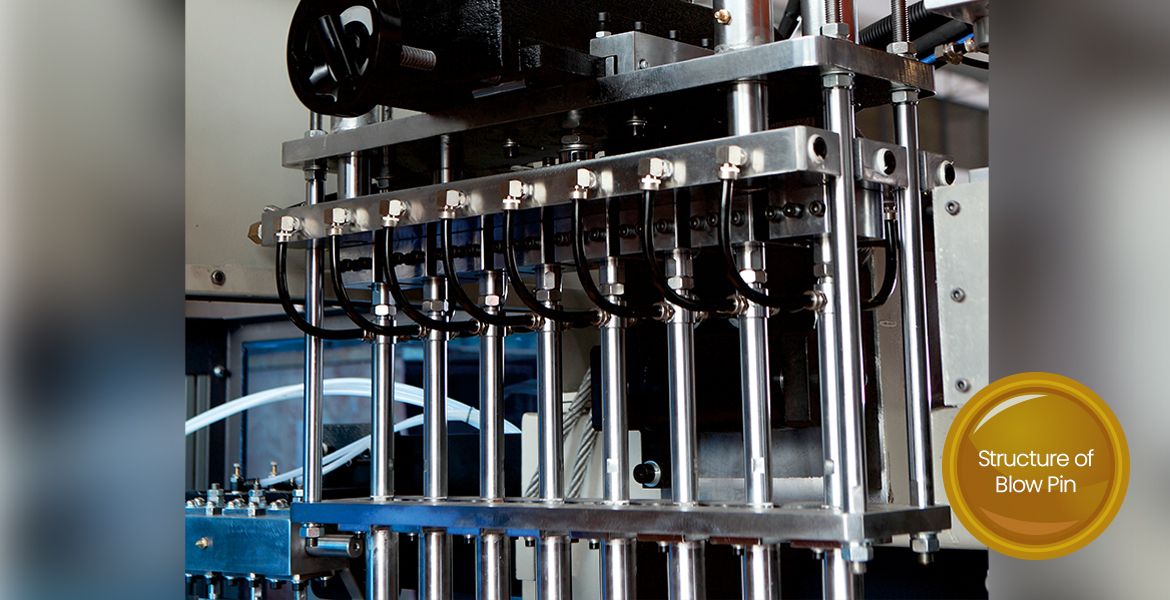
Extrusion Blow Molding, or EBM, is a complex process involving melting and shaping plastics into hollow forms. Precise control over temperature, pressure, timing, and movement is essential. Leshan integrates sophisticated control systems into its machines, harnessing PLCs (Programmable Logic Controllers), human-machine interfaces (HMIs), and sensor arrays. These controls allow operators to monitor and adjust process parameters in real time, ensuring that each cycle produces consistent and high-quality products.
Control systems act as the nervous system of the blow molding machine: they collect data, execute commands, and make decisions based on programmed logic. This structure enables the automation of key steps, reduces human error, and ensures repeatability from one production cycle to the next. In a competitive market, where deviations in product dimensions or material distribution can lead to costly rejections, Leshan’s advanced control technology provides a decisive advantage.
Key Elements of EBM Machine Control at Leshan
- Temperature Regulation: Consistent melting and shaping of resin require precise temperature control across extruders and molds. Leshan’s machines utilize multi-zone temperature controllers that stabilize plastic viscosity and prevent process fluctuations.
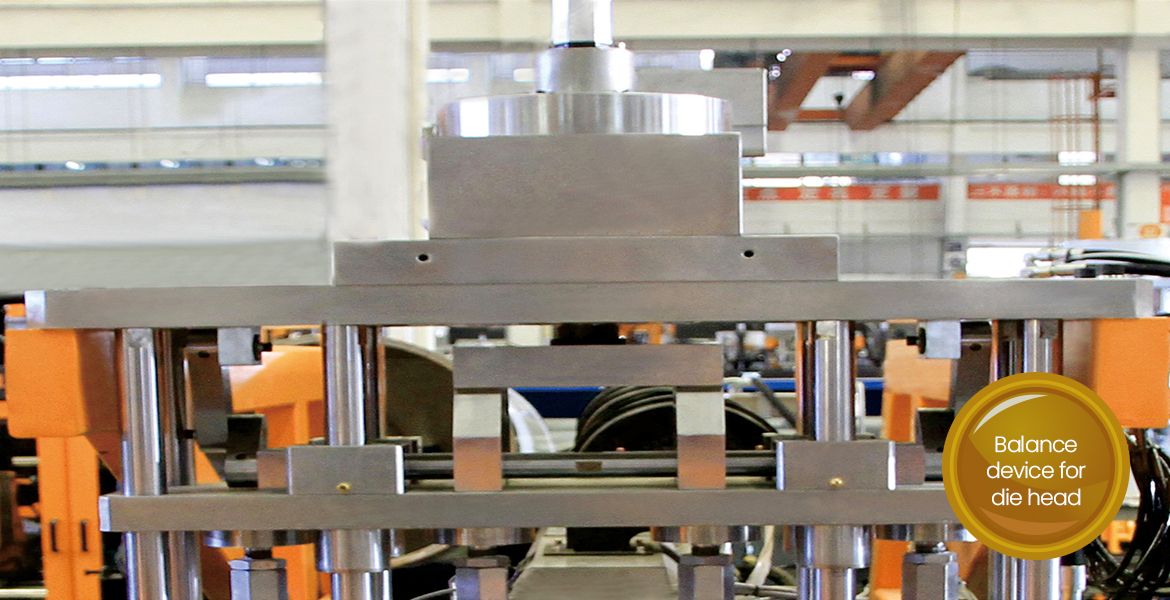
- Parison Control: The parison (the tube of molten plastic) must maintain uniform wall thickness for consistent product quality. Leshan’s control systems enable fine-tuning of parison programming, adjusting extrusion rates and die movements based on real-time feedback.
- Blow Pressure Control: Accurate control of air pressure during the blowing phase is critical. Leshan’s machines feature digitally regulated air systems that ensure each product expands uniformly within the mold.
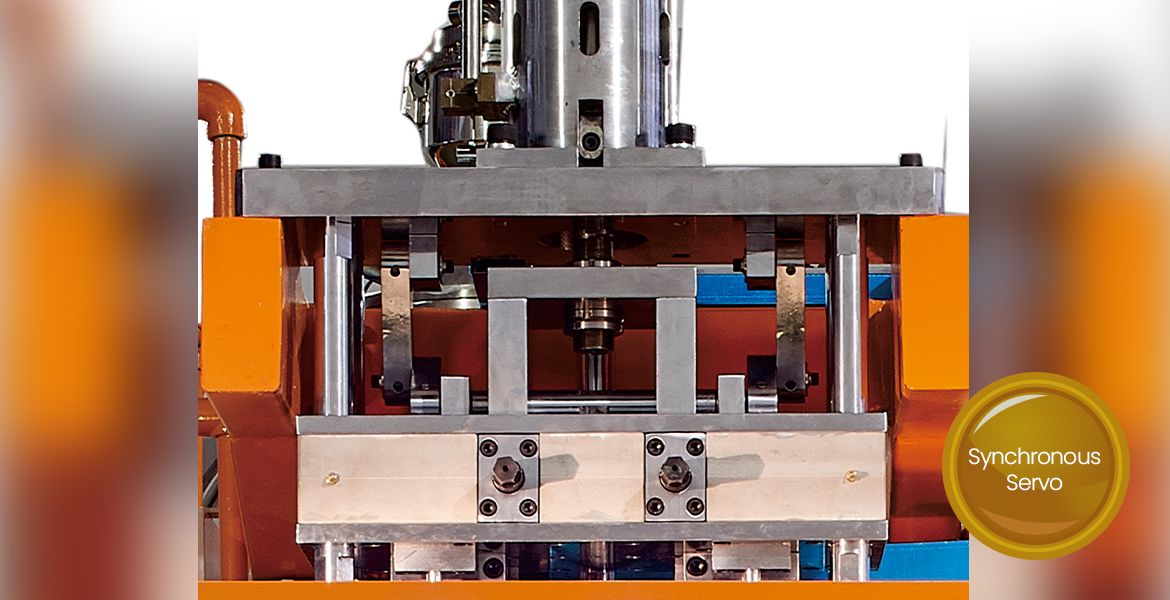
- Cycle Timing and Synchronization: Synchronizing mold operations, extrusion, and blowing steps increases output consistency. Leshan uses programmable logic to coordinate these events with millisecond precision.
- Material Feed Monitoring: Consistent material feeding avoids surges or shortages that may result in defective products. Leshan implements automated feeders and sensors to maintain steady input supply.
These elements work together to create a tightly controlled production environment. Operators can view process data, set alarms for key parameters, and access historical trends via intuitive HMIs. The result is minimized variance between product batches and reduced likelihood of defects.
Technological Advancements in Leshan’s EBM Controls
Modern blow molding is shaped by digital transformation. Leshan has embraced Industry 4.0 principles, connecting machines to central networks for enhanced process management. Data analytics, cloud connectivity, and remote control have become the norm, allowing plant managers to oversee performance from anywhere. This capability is especially valuable for multi-site manufacturers requiring standardized output across facilities.
Leshan integrates advanced sensors for temperature, pressure, flow, and position, feeding real-time data into adaptive control algorithms. Machine learning models can predict and correct process deviations, further improving consistency. The company’s predictive maintenance modules analyze vibration, temperature, and usage patterns to schedule service before failures occur, reducing downtime and maintaining output stability.
Benefits of Enhanced Output Consistency
- Reduced Scrap and Waste: Greater consistency means fewer off-spec products, cutting material waste and disposal costs.
- Improved Product Quality: Uniform wall thickness, smooth surfaces, and accurate dimensions are hallmarks of Leshan’s output, strengthening customer trust.
- Higher Productivity: Stable processes allow faster cycle times, increased throughput, and less operator intervention.
- Lower Operational Costs: Automation and error reduction minimize labor costs and rework, maximizing profitability.
- Regulatory Compliance: Consistent manufacturing helps meet industry standards and certification requirements, especially in food, pharma, and automotive sectors.
Leshan’s commitment to output consistency is not just about technology; it’s also about empowering operators. Training programs and digital manuals ensure staff are proficient in using control systems and troubleshooting issues. As a result, even complex operations become manageable, and processes can be transferred across shifts or locations without loss of quality.
Case Study: Leshan’s Output Consistency in Action
One leading beverage company adopted Leshan’s latest EBM machines to produce HDPE bottles. Before the upgrade, output variation caused frequent line stoppages and high scrap rates, impacting both costs and brand reputation. By switching to Leshan’s machines with advanced parison programming and closed-loop feedback controls, the company achieved:
| Metric | Before Leshan EBM | After Leshan EBM |
|---|---|---|
| Scrap Rate | 6.5% | 1.2% |
| Output Variance | ±8% | ±1.5% |
| Downtime per Month | 18 hours | 5 hours |
The result was a dramatic improvement in output stability, reduced waste, and higher line efficiency. Leshan’s support team provided remote monitoring and troubleshooting, further enhancing reliability. This case exemplifies the real-world impact of EBM machine control on manufacturing outcomes.
Operator Experience and Usability
While technology is crucial, operator ease-of-use is equally important. Leshan designs user-centric HMIs, with clear visualizations of process trends, alarms, and diagnostics. Multi-language support and guided setup wizards reduce training time and enable global deployment. For maintenance staff, step-by-step troubleshooting aids and predictive alerts streamline interventions, keeping machines running smoothly and output consistent.
Feedback from Leshan’s customers highlights that user-friendly controls decrease operator stress and error rates, even when handling large batch volumes or complex product shapes. The ability to store and recall process recipes ensures rapid changeovers, maintaining consistency across diverse production runs.
Future Trends and Leshan’s Vision
Looking ahead, Leshan is developing AI-enhanced control systems that can self-optimize based on real-time quality data. The incorporation of digital twins will allow virtual testing and validation of process changes before implementation, reducing risk and increasing efficiency. With sustainability also a key concern, Leshan’s controls help optimize energy usage and material consumption, contributing to greener manufacturing.
Continuous investment in R&D means Leshan is at the forefront of integrating smart sensors, IoT connectivity, and data-driven decision-making into blow molding. The company collaborates with global partners and customers to tailor solutions for specific needs, ensuring output consistency remains a pillar of its value proposition.
Summary Table: Leshan’s EBM Machine Control Impact
| Feature | Benefit |
|---|---|
| Advanced Temperature Control | Uniform melting, reduced process variation |
| Parison Programming | Consistent wall thickness, improved product quality |
| Closed-Loop Feedback | Automated variance correction, less human error |
| Cloud Connectivity | Remote monitoring and process optimization |
| Predictive Maintenance | Reduced downtime, stable output |
Customer Voices
"Since switching to Leshan’s EBM machines, our bottle quality is consistently excellent, and we’ve cut waste by over 80%. The control system is intuitive and keeps our production running smoothly." — Plant Manager, Beverage Industry
"Leshan’s remote support and process analytics mean we can respond to issues before they affect quality. The consistency of output has helped us win new contracts." — Director of Operations, Packaging Firm
Best Practices for Maximizing Output Consistency with Leshan EBM Machines
- Routine Calibration: Regularly calibrate sensors and controllers to maintain accuracy.
- Recipe Management: Utilize stored process recipes for rapid, consistent changeovers.
- Alarm Monitoring: Set tight alarm thresholds for critical parameters and respond promptly.
- Training: Invest in operator training and refreshers on control system usage.
- Maintenance Scheduling: Use predictive maintenance data to plan service and avoid unexpected stoppages.
By following these practices, manufacturers can extract maximum value from Leshan’s EBM machine controls, ensuring output consistency and operational excellence.
Tags:blow molding machine supplier,full electric blow molding machine application