
The Benefits of Requesting a Factory Tour from Your Extrusion Blow Molding Machine Factory
The Benefits of Requesting a Factory Tour from Your Extrusion Blow Molding Machine Factory
A factory tour at an extrusion blow molding machine factory is a powerful due diligence tool that transforms sales claims into verifiable evidence. It allows buyers to inspect manufacturing organization, engineering depth, assembly standards, quality control, and testing procedures. Visitors can see how blow molds, central feeding systems, auxiliary equipment, and blow molding machines are designed and built. They can meet engineers, discuss customization, and observe machine demonstrations with real molds and materials. For Leshan, a factory tour showcases its turnkey solutions, including advanced blow molding systems, automated material handling, fully automatic systems, customized project solutions, and comprehensive support. It also highlights Leshan proven expertise, tailored solutions, reliability, customer-centric approach, and innovative technology.
The benefits of a factory tour include verifying real manufacturing capability, assessing build quality, evaluating automation and integration, reviewing certifications such as ISO 9001 and CE, and discussing total cost of ownership. Buyers can see how Leshan achieves mold tolerance within plus or minus 0.05 mm, production speeds of 2,000 to 5,000 bottles per hour per station, labor reduction up to 40 percent, and material loss reduction of 15 to 20 percent. They can also review case studies: over 50 million bottles annually with zero mold failure for two years, a multi-layer PET line for a cosmetics brand with 30 percent higher efficiency, and an industrial container line running 24/7 for 18 months with ROI in under 12 months. A factory tour reduces risk, builds trust, and supports better decisions. It is an essential step for buyers seeking a long-term partner in extrusion blow molding.
In the competitive world of plastic manufacturing, the choice of an extrusion blow molding machine factory is not merely a procurement decision. It is a strategic partnership that can shape production capacity, product quality, operational efficiency, and long-term profitability. For manufacturers, brand owners, and investors, the ability to see a factory firsthand provides a level of confidence that brochures, videos, and online catalogs cannot deliver. A factory tour transforms abstract specifications into tangible evidence. It allows decision-makers to walk through production halls, inspect machining centers, observe assembly lines, meet engineers, and evaluate the culture of a potential supplier. When the equipment in question is an extrusion blow molding machine, the stakes are especially high because these systems are the backbone of bottle, container, and industrial packaging production. This article explores the many benefits of requesting a factory tour from an extrusion blow molding machine factory, with a focus on how such visits help buyers assess technology, quality, customization, support, and return on investment. It also highlights why a company such as Guangdong Leshan Intelligent Equipment Corp., Ltd., known as Leshan, welcomes serious buyers to its facilities and how its turnkey solutions, blow molding systems, centralized feeding systems, fully automatic systems, customized project solutions, and comprehensive support can be evaluated during a visit.
A factory tour is more than a courtesy. It is a due diligence exercise. It gives buyers the opportunity to verify claims, compare capabilities, and understand the real conditions under which machines are built. In an industry where precision, durability, and uptime directly affect the bottom line, seeing is believing. The tour also creates a platform for technical dialogue. Engineers can explain design choices, production managers can discuss cycle times, and quality teams can demonstrate inspection protocols. For companies considering a new extrusion blow molding line, the factory tour is often the moment when a supplier moves from being a vendor to becoming a trusted partner.

Why a Factory Tour Matters in Extrusion Blow Molding
Extrusion blow molding is a complex process that combines material handling, extrusion, parison formation, mold closing, blowing, cooling, and trimming. The machine itself is only one part of a larger system. A factory tour allows buyers to see how the entire ecosystem fits together. They can observe how blow molds are machined, how central feeding systems are assembled, how auxiliary equipment is integrated, and how finished machines are tested before shipment. This holistic view is essential because a weak link in material feeding or cooling can undermine the performance of even the most advanced blow molding machine.
Moreover, extrusion blow molding machines are capital-intensive. They are expected to run for years, often in continuous or multi-shift operations. The cost of downtime can be enormous. A factory tour helps buyers evaluate the robustness of construction, the quality of components, and the discipline of the manufacturing process. It also reveals whether a factory has the capacity to meet delivery schedules and the engineering depth to support future upgrades. For these reasons, requesting a factory tour should be a standard step in the procurement of blow molding equipment.
- Verification: Buyers can confirm that the factory actually exists, operates, and possesses the claimed machinery and expertise.
- Quality assessment: The tour exposes the buyer to welding, machining, assembly, wiring, and testing standards.
- Technical dialogue: Face-to-face meetings with engineers allow deeper discussion of process requirements.
- Customization review: Buyers can see how custom molds, feeding systems, and automation are engineered.
- Trust building: Transparency during a tour creates confidence and reduces perceived risk.
What a Factory Tour Reveals About an Extrusion Blow Molding Factory
A well-organized factory tour is a structured learning experience. It is not simply a walk through a warehouse. The best tours follow a logical path from raw material intake to final testing. They show how design, manufacturing, assembly, and quality control interact. For an extrusion blow molding machine factory, the tour should cover several key areas.
Manufacturing Environment and Organization
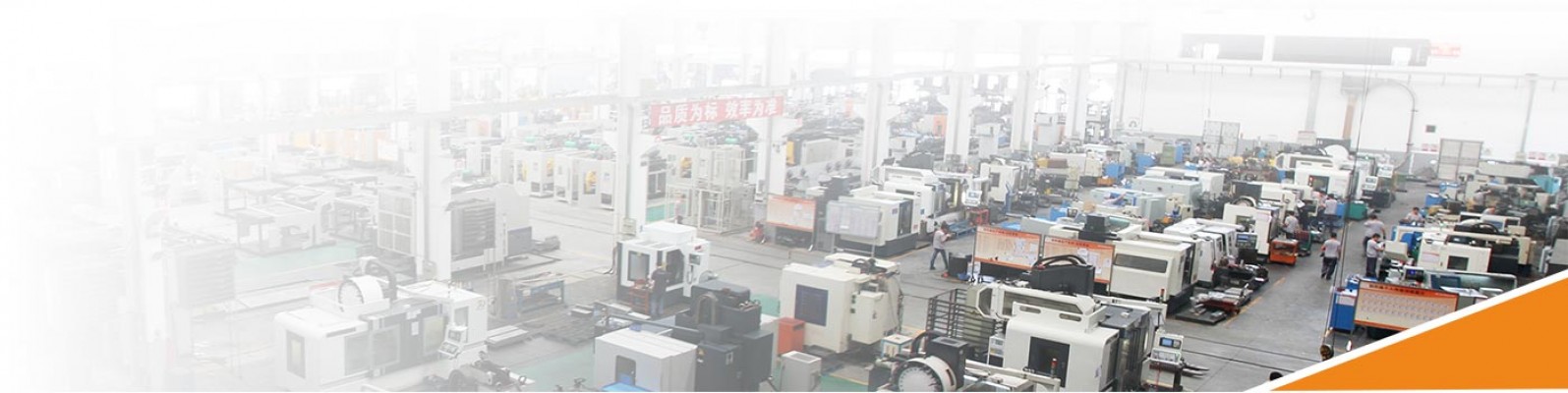
The first impression of a factory often comes from its organization. Clean floors, labeled workstations, organized tooling, and safe walkways indicate disciplined management. In contrast, clutter, unmarked storage, and chaotic workflow can signal potential quality and delivery problems. During a tour, buyers can observe whether the factory uses lean principles, how materials are stored, how work-in-progress is tracked, and how employees move through the production process. A well-organized factory is more likely to deliver machines on time and with consistent quality.
Engineering and Design Capabilities
Engineering is the brain of an extrusion blow molding machine factory. A tour should include the design office or at least a presentation of the engineering workflow. Buyers can ask about computer-aided design, simulation, mold flow analysis, and how custom requirements are translated into technical drawings. They can also learn how the factory handles multi-layer extrusion, wall thickness control, and bottle opening precision. The depth of engineering talent is a strong indicator of whether the factory can solve complex production challenges.
Assembly and Quality Control
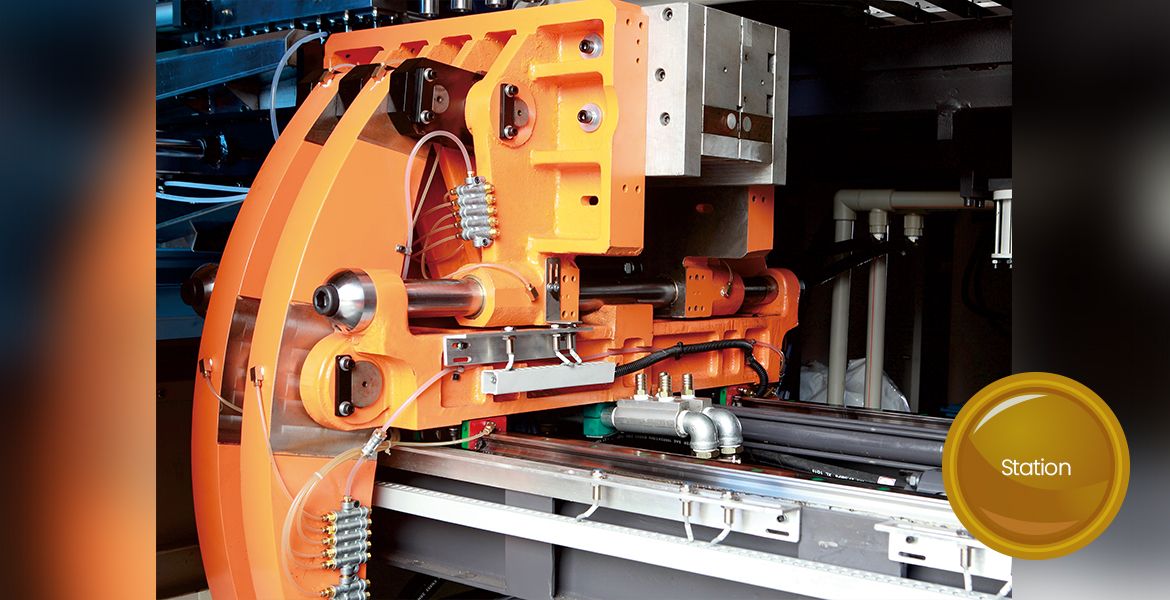
Assembly is where components become a working machine. During a tour, buyers can see how frames are welded, how extruders are aligned, how hydraulic and pneumatic systems are installed, and how electrical panels are wired. They can also observe quality control stations. Are dimensions checked against tolerances? Are pressure tests performed? Are safety systems verified? A factory that documents and enforces quality control at every stage is more likely to deliver reliable equipment.
Testing and Validation
Testing is the proof of performance. A factory tour should include the testing area where blow molding machines are run with actual molds and materials. Buyers can watch the machine produce bottles or containers, inspect sample quality, and discuss cycle times. They can also ask about leak testing, visual inspection, and defect rates. If the factory has a showroom or pilot production line, the tour becomes even more valuable because buyers can see the machine under realistic conditions.
Why Leshan Welcomes Factory Tours
Guangdong Leshan Intelligent Equipment Corp., Ltd., commonly known as Leshan, is a company that specializes in turnkey solutions that simplify production and enhance efficiency. Its expertise covers a wide range of plastic molding technologies, ensuring seamless operation, increased output, and reduced operational costs. Leshan believes that a factory tour is one of the most effective ways to demonstrate its capabilities. Rather than relying solely on catalogs, Leshan invites buyers to see its blow molding systems, centralized feeding systems, fully automatic systems, customized project solutions, and comprehensive support in action.
Leshan is more than just a supplier. It positions itself as a partner in success. This philosophy is reflected in its proven expertise, tailored solutions, reliability and durability, customer-centric approach, and innovative technology. During a factory tour, visitors can meet the people behind these commitments and see how they are translated into real machines and systems.
Blow Molding Systems
Leshan offers advanced, precision-engineered blow molding systems designed for consistent, high-quality production. A factory tour allows buyers to examine the extruder, die head, clamping unit, blow station, and control system. They can see how the machine is assembled and how it is calibrated. They can also discuss the specific requirements of their own production, such as bottle size, container shape, material type, and output target. Because Leshan builds both standard and custom systems, the tour becomes a platform for matching technology to application.
Centralized Feeding Systems
Centralized feeding systems are automated material handling solutions that improve efficiency, reduce material waste, and ensure seamless feeding. During a tour, buyers can observe how these systems centrally control the conveying and drying of plastic materials. They can see how multiple extruders or blow molding machines are connected for centralized management. They can also learn how stable temperature and reduced manual labor contribute to better product consistency. Leshan designs centralized feeding systems that are compatible with multiple plastic types, including PET, PP, and PE.
Fully Automatic Systems
Fully automatic systems use intelligent automation technology to minimize downtime, enhance efficiency, and optimize workflow. On a factory tour, buyers can see how automation is integrated into the blow molding process. They can observe robotic handling, automatic trimming, conveyor systems, and centralized control panels. They can ask about sensors, alarms, and remote monitoring. For manufacturers seeking to reduce labor costs and improve consistency, seeing a fully automatic system in operation is a powerful validation.
Customized Project Solutions
Leshan provides tailor-made systems designed to meet specific production requirements, from initial planning and design to final installation and operation. A factory tour helps buyers understand how customization works in practice. They can discuss bottle designs, capacities from 100 mL to 10 L, multi-layer PET or PP blow molding, and quick mold-change systems. They can also review project timelines, engineering milestones, and acceptance criteria. Customization is not an abstract promise; it is a structured process that can be examined during a visit.
Comprehensive Support
Comprehensive support includes end-to-end assistance, such as technical consulting, system integration, maintenance, and upgrades. During a factory tour, buyers can meet the support team, learn about spare parts availability, and discuss service response times. They can also review training programs for operators and maintenance staff. A factory tour reveals whether support is a genuine capability or merely a marketing phrase. Leshan uses the tour to demonstrate its commitment to long-term customer success.
Core Equipment Buyers Can Inspect During a Tour
An extrusion blow molding factory tour typically focuses on several core equipment categories. Each category offers specific benefits and inspection points.
Blow Molds
Blow molds are used for forming bottles, containers, and other plastic products. They are compatible with single-layer, double-layer, or multi-layer extrusion blow molding machines. High-precision steel ensures stable dimensions and accurate bottle openings. Blow molds can be customized in capacity, shape, and wall thickness, and they support quick mold changes. During a factory tour, buyers can inspect mold machining, polishing, and cooling channels. They can also discuss precision design for uniform wall thickness, high temperature and pressure resistance, long lifespan, and efficient cooling that reduces cycle time and boosts output.
Key advantages of Leshan blow molds include precision design that ensures uniform wall thickness, high temperature and pressure resistance for continuous production, and efficient cooling that shortens cycle time. Buyers can see examples of molds for beverage bottles, cosmetic containers, and industrial chemical containers. They can also learn how mold tolerance within plus or minus 0.05 mm is achieved and maintained.
Central Feeding System
The central feeding system centrally controls the conveying and drying of plastic materials, ensuring stable temperature and reducing manual labor. It can connect multiple extruders or blow molding machines for centralized management. During a tour, buyers can observe the layout of hoppers, dryers, conveyors, and control panels. They can see how the system reduces labor costs through high automation, minimizes material waste through efficient conveying, and remains compatible with multiple plastic types such as PET, PP, and PE. Leshan central feeding systems are designed to reduce material loss by 15 to 20 percent and to ensure uniform drying for better product consistency.
Auxiliary Equipment
Auxiliary equipment supports the main blow molding machine and improves overall line efficiency. Main types include crushers, mixers, chillers, and conveyor belts. A crusher recycles scrap and edge materials by crushing them. A mixer evenly mixes different colors or functional plastic pellets. A chiller or cooling system maintains mold and product temperature, ensuring precision. A conveyor belt automatically transports finished products for continuous production. During a factory tour, buyers can see how these auxiliary systems are integrated. They can also learn how they improve production line efficiency and product quality, how automated operation reduces complexity, and how durable design minimizes maintenance costs.
Blow Molding Machine
The blow molding machine is the core equipment for producing plastic bottles and containers. It is available in semi-automatic, fully automatic, or multi-station models to meet different production needs. During a tour, buyers can inspect the machine frame, extruder, die head, clamping system, blow pin, and control interface. They can observe precise control of pressure and temperature, which ensures consistent quality. They can discuss high output design for large-scale production and compatibility with various molds for different bottle specifications. Applications include beverage bottles, condiment bottles, cosmetic containers, and industrial chemical containers.
The Benefits of a Factory Tour in Detail
Requesting a factory tour from an extrusion blow molding machine factory offers numerous benefits. The following sections examine these benefits in detail.
1. Verifying Real Manufacturing Capability
Many suppliers claim to be manufacturers, but not all have full production capabilities. A factory tour allows buyers to verify whether the supplier actually machines parts, assembles machines, and tests equipment on site. They can see CNC machines, welding stations, assembly bays, and testing areas. They can count the number of machines under production and assess the scale of operations. This verification is critical because it affects delivery capacity, quality control, and the ability to provide spare parts. A factory that manufactures its own core components is generally more reliable than one that merely assembles imported kits.
2. Assessing Build Quality and Material Selection
Build quality is difficult to judge from a distance. During a tour, buyers can inspect the thickness of steel plates, the quality of welds, the brand of electrical components, and the routing of cables and hoses. They can see whether frames are stress-relieved, whether machined surfaces are protected, and whether assembly areas are clean. They can also ask about material selection for molds, screws, barrels, and hydraulic systems. These details determine durability, maintenance requirements, and overall lifespan. A factory tour makes it possible to compare build quality across suppliers using direct evidence.
3. Meeting Engineers and Technical Teams
The quality of a blow molding machine depends heavily on the engineers who design and support it. A factory tour provides an opportunity to meet these engineers in person. Buyers can ask about extrusion principles, parison control, cooling optimization, and multi-layer technology. They can discuss their own production challenges and hear how the factory would solve them. They can also assess the depth of the technical team. A factory with experienced engineers is better equipped to handle customization and troubleshooting.
4. Evaluating Customization and Flexibility
Every production line has unique requirements. A factory tour allows buyers to see how customization is handled. They can review past projects, examine custom molds, and discuss modifications to standard machines. They can ask about capacity ranges, bottle shapes, wall thickness, and material compatibility. They can also see quick mold-change systems in action. For companies that need flexibility, this evaluation is essential. Leshan, for example, supports custom bottle designs, capacities from 100 mL to 10 L, and multi-layer PET or PP blow molding. A tour helps buyers determine whether the factory can truly deliver tailored solutions.
5. Testing Machine Performance and Sample Quality
Performance claims are best verified through testing. During a factory tour, buyers can watch a blow molding machine produce samples. They can inspect bottle weight, wall thickness distribution, finish dimensions, and surface quality. They can ask for cycle time measurements and energy consumption data. They can also request leak testing and drop testing. If the factory has a pilot line, buyers can run their own material or mold to see how the machine performs. This hands-on validation reduces the risk of purchasing equipment that does not meet expectations.
6. Understanding Automation and Integration
Modern extrusion blow molding lines are increasingly automated. A factory tour allows buyers to see how robots, conveyors, vision systems, and central feeding systems work together. They can observe how raw material is conveyed, dried, and fed into the extruder. They can see how finished bottles are trimmed, inspected, and packed. They can also learn how the control system monitors pressure, temperature, and cycle times. Understanding automation and integration helps buyers plan labor requirements, floor space, and workflow. It also reveals whether the supplier can provide a complete turnkey solution or only individual machines.
7. Reviewing Quality Control and Compliance
Quality control is a cornerstone of reliable production. During a factory tour, buyers can review inspection records, calibration certificates, and test reports. They can see how incoming materials are checked, how dimensions are verified, and how finished machines are tested. They can also ask about certifications such as ISO 9001 and CE. These certifications indicate that the factory follows recognized quality management and safety standards. A tour also allows buyers to see whether quality control is proactive or reactive. A factory that monitors quality throughout the process is more likely to deliver defect rates under 0.5 percent.
8. Discussing Total Cost of Ownership and ROI
The purchase price of a blow molding machine is only part of the cost. Total cost of ownership includes energy consumption, maintenance, spare parts, labor, and downtime. A factory tour provides an opportunity to discuss these factors with the supplier. Buyers can ask about power requirements, cooling needs, maintenance schedules, and expected mold life. They can also review case studies and ROI calculations. For example, a factory may show how a fully automated line reduces labor by up to 40 percent or how a central feeding system reduces material loss by 15 to 20 percent. These discussions help buyers make a business case for investment.
9. Seeing After-Sales Support and Spare Parts
After-sales support is critical for long-term operation. During a factory tour, buyers can visit the spare parts warehouse, meet service technicians, and review support procedures. They can ask about response times, remote diagnostics, and training programs. They can also see whether the factory maintains an inventory of critical components. A supplier that invests in after-sales support is more likely to keep machines running smoothly. A tour transforms support from a promise into an observable capability.
10. Building Trust and Partnership
Trust is essential in any long-term business relationship. A factory tour builds trust through transparency. Buyers see the real factory, meet the real team, and observe real processes. They can ask candid questions and receive direct answers. This openness creates a foundation for partnership. When a supplier welcomes a tour, it signals confidence in its operations and a willingness to be held accountable. For buyers, this confidence is reassuring and often influences the final decision.
Key Advantages of Leshan as Seen During a Factory Tour
Leshan is a company that demonstrates its advantages through its facilities, people, and processes. A factory tour provides concrete evidence of these advantages.
Expertise and Reliability
Leshan has over 15 years of experience in designing and manufacturing blow molding systems. Precision engineering ensures mold tolerance within plus or minus 0.05 mm, guaranteeing consistent bottle quality. During a tour, buyers can see the machining centers and quality control stations that make this precision possible. They can also hear about Leshan success stories. For example, Leshan partnered with a leading beverage company to produce over 50 million bottles annually with zero mold failure for two consecutive years. This case demonstrates reliability under high-volume production.
High Efficiency and Productivity
Leshan fully automated production lines reduce labor by up to 40 percent. Multi-station blow molding machines achieve production speeds of 2,000 to 5,000 bottles per hour per station. Central feeding systems reduce material loss by 15 to 20 percent and ensure uniform drying for better product consistency. During a factory tour, buyers can observe these systems in operation. They can see how automation minimizes downtime, how central feeding improves material management, and how multi-station machines maximize output. These observations help buyers quantify the productivity gains they can expect.

Customization and Flexibility
Leshan supports custom bottle designs, capacities from 100 mL to 10 L, and multi-layer PET or PP blow molding. Its quick mold-change system minimizes downtime to under 10 minutes, allowing fast production adaptation. During a tour, buyers can see how custom molds are designed and manufactured. They can also learn about a case where Leshan customized a multi-layer PET line for a cosmetics brand, increasing production efficiency by 30 percent while maintaining strict aesthetic standards. This example illustrates how customization can deliver both performance and brand value.
Durability and Cost-Effectiveness
Leshan uses high-grade mold steel and advanced cooling systems to extend mold life to 5 to 8 years under continuous production. Auxiliary systems such as crushers, mixers, chillers, and conveyors integrate seamlessly, reducing maintenance costs by 20 percent. During a factory tour, buyers can inspect the materials and cooling designs that contribute to this durability. They can also hear about an industrial container line that ran 24 hours a day, 7 days a week for 18 months with minimal maintenance interruptions, achieving ROI in under 12 months. Such examples demonstrate the long-term cost-effectiveness of Leshan equipment.
Quality and Compliance
Leshan products meet ISO 9001 and CE standards, ensuring safety and reliability. Continuous monitoring with visual inspection and leak-testing systems guarantees defect rates under 0.5 percent. During a tour, buyers can review certificates, observe testing procedures, and examine quality records. They can see how visual inspection and leak testing are integrated into the production line. This level of quality control gives buyers confidence that their products will meet market requirements.
What to Look For During an Extrusion Blow Molding Factory Tour
To get the most from a factory tour, buyers should prepare a checklist. The following items are worth observing and discussing.
- Factory organization: Cleanliness, signage, workflow, and safety practices.
- Machining capability: CNC machines, lathes, milling machines, and quality control equipment.
- Welding and fabrication: Weld quality, frame construction, and stress relief.
- Assembly standards: Alignment, wiring, labeling, and use of torque tools.
- Testing procedures: Dry runs, pressure tests, leak tests, and sample production.
- Mold manufacturing: Steel quality, cooling channels, polishing, and tolerance checks.
- Central feeding systems: Layout, drying, conveying, and control integration.
- Auxiliary equipment: Crushers, mixers, chillers, and conveyors.
- Automation: Robots, sensors, PLC controls, and remote monitoring.
- Quality documentation: Certificates, inspection reports, and traceability.
- Spare parts: Inventory, availability, and logistics.
- After-sales support: Service team, training, and response times.
Questions to Ask During the Factory Tour
Asking the right questions can reveal a great deal about a supplier. The following questions are useful during an extrusion blow molding factory tour.
- How long has the factory been manufacturing blow molding machines?
- What is the annual production capacity?
- Which components are manufactured in-house and which are outsourced?
- What quality control procedures are used during machining and assembly?
- How is mold tolerance verified and maintained?
- What materials are used for molds, screws, and barrels?
- How does the factory handle multi-layer extrusion?
- What is the typical delivery time for a custom line?
- What training and documentation are provided?
- What is the warranty period and what does it cover?
- How are spare parts stocked and shipped?
- Can the factory provide references from similar projects?
- How does the central feeding system reduce material waste?
- What is the expected cycle time for a specific bottle?
- How does the quick mold-change system work?
- What certifications does the factory hold?
- How does the factory support remote diagnostics?
- What is the total cost of ownership over five years?
How a Factory Tour Supports Better Decision-Making
Decision-making in equipment procurement involves comparing technical specifications, prices, delivery times, and support terms. A factory tour adds a layer of qualitative evidence that can be more persuasive than any spreadsheet. Buyers can see the actual machines, meet the actual team, and assess the actual factory culture. This experience helps them weigh factors such as quality, reliability, and partnership potential. It also reduces the risk of selecting a supplier based solely on a low price. In many cases, the insights gained during a tour lead to a more accurate total cost of ownership analysis and a more confident investment decision.
Furthermore, a factory tour allows multiple stakeholders to participate. Production managers, maintenance engineers, quality managers, and financial decision-makers can all benefit from seeing the factory. They can ask questions from their own perspectives and share observations. This collaborative approach leads to better alignment and fewer surprises during installation and ramp-up. When a team has seen the factory and the machines, they are more likely to support the project and contribute to its success.
Factory Tour vs. Online Research and Trade Shows
Online research and trade shows are valuable, but they have limitations. Websites can be outdated or misleading. Trade shows allow buyers to see machines, but often in a temporary booth setting rather than a real production environment. A factory tour provides depth that neither can match. It shows the manufacturing process, the quality control systems, and the people behind the product. It also allows buyers to see the factory under normal working conditions, not just during a staged exhibition. For high-value equipment such as extrusion blow molding machines, the factory tour is the most reliable way to verify claims and assess fit.
The Role of a Factory Tour in Custom Project Development
Custom projects require close collaboration between buyer and supplier. A factory tour is an ideal starting point for this collaboration. During the visit, buyers can discuss their product requirements, production targets, and constraints. Engineers can propose solutions, sketch layouts, and estimate cycle times. The tour can also include a review of similar projects and a walkthrough of the customization process. This early engagement helps prevent misunderstandings and ensures that the final machine meets the buyer needs. For complex projects involving multi-layer extrusion, centralized feeding, and full automation, the factory tour is an essential step in project development.
Applications and Industries Served
Extrusion blow molding machines are used in many industries. A factory tour helps buyers see how the technology applies to their specific sector. Common applications include beverage bottles, condiment bottles, cosmetic containers, and industrial chemical containers. Each application has unique requirements. Beverage bottles require high output and consistent quality. Condiment bottles may require specific barrier properties. Cosmetic containers demand excellent surface finish and aesthetic appeal. Industrial chemical containers need durability and chemical resistance. During a tour, buyers can discuss these requirements and see how Leshan machines and molds are adapted to meet them.
Turnkey Solutions and the Tour Experience
Leshan specializes in turnkey solutions that simplify production and enhance efficiency. A turnkey solution includes not only the blow molding machine but also centralized feeding, auxiliary equipment, automation, and support. During a factory tour, buyers can see how these components are designed to work together. They can observe the integration of extruders, molds, chillers, conveyors, and control systems. They can also discuss project management, installation, and commissioning. A turnkey approach reduces the burden on the buyer and ensures that the entire line operates as a cohesive system. Seeing this integration during a tour provides confidence that the supplier can deliver a complete solution.
Preparing for a Factory Tour
To maximize the value of a factory tour, buyers should prepare in advance. The following steps are recommended.
- Define objectives: Identify what the buyer wants to learn and verify.
- Prepare questions: Write down technical, commercial, and support questions.
- Bring samples: If possible, bring product samples or specifications for discussion.
- Include stakeholders: Invite production, maintenance, and quality team members.
- Request a schedule: Ask for a detailed tour agenda, including testing and meetings.
- Review documents: Study the supplier website, catalogs, and certifications beforehand.
- Plan for follow-up: Agree on next steps and information to be shared after the tour.
Red Flags to Watch For
A factory tour can also reveal warning signs. Buyers should be cautious if they observe the following.
- Disorganization: Cluttered floors, unlabeled parts, and chaotic workflow.
- Poor welding: Rough welds, unfinished seams, and lack of stress relief.
- Unclean assembly: Debris in hydraulic systems, loose wiring, and missing labels.
- No testing area: Machines assembled but never run before shipment.
- Limited engineering: No design office or inability to explain technical choices.
- Weak quality control: No inspection records or calibration certificates.
- Poor spare parts: Empty warehouse or long lead times for critical components.
- Evasive answers: Reluctance to discuss materials, tolerances, or references.
How to Request a Factory Tour
Requesting a factory tour is a straightforward process, but a well-prepared request can lead to a more productive visit. Buyers should contact the factory through official channels and explain their interest. They should provide background information about their company, the products they plan to manufacture, and the specific equipment they are considering. They should also indicate the number of visitors, preferred dates, and any special requirements such as language support or travel assistance. A professional request demonstrates seriousness and helps the factory prepare a relevant agenda. Leshan, for example, can arrange tours that include technical presentations, machine demonstrations, and meetings with engineering and support teams.
What to Expect During a Typical Visit
A typical factory tour for an extrusion blow molding machine follows a structured agenda. While each visit is tailored to the buyer, the following stages are common.
Welcome and Introduction
The visit often begins with a welcome session. Company representatives introduce the factory history, mission, and capabilities. They may present an overview of blow molding systems, centralized feeding systems, fully automatic systems, customized project solutions, and comprehensive support. This session sets the stage for the technical discussions that follow.
Factory Floor Walkthrough
The walkthrough is the heart of the tour. Visitors move through machining, fabrication, assembly, and testing areas. They can observe CNC operations, welding, painting, and final assembly. They can see how components are stored and how work orders are managed. This stage provides the most direct evidence of manufacturing capability and quality culture.
Technical Presentation
A technical presentation may cover extrusion principles, parison control, mold design, cooling optimization, and automation. Engineers can explain how the factory addresses challenges such as wall thickness uniformity, cycle time reduction, and energy efficiency. Buyers can ask questions and share their own production requirements.
Machine Demonstration
The machine demonstration is often the most anticipated part of the tour. The factory runs a blow molding machine with a mold and material to produce samples. Buyers can inspect the samples, measure dimensions, and observe cycle times. They can also see auxiliary equipment such as crushers, mixers, chillers, and conveyors in operation.
Roundtable Discussion
A roundtable discussion allows for open dialogue. Buyers can discuss customization, project timelines, and technical specifications. They can also ask about after-sales support, spare parts, and training. This discussion helps clarify expectations and build alignment.
Commercial and Support Review
The visit may conclude with a commercial and support review. Buyers can discuss pricing, payment terms, delivery schedules, and warranty conditions. They can also review service agreements and spare parts programs. This stage ensures that both parties have a clear understanding of the next steps.
Evaluating Blow Molding Machine Performance During a Tour
Performance evaluation is a key objective of a factory tour. Buyers should focus on several measurable factors.
- Cycle time: How long does the machine take to produce one bottle or container?
- Wall thickness uniformity: Is the distribution consistent around the bottle?
- Bottle weight: Does the machine maintain accurate weight control?
- Finish dimensions: Are the bottle openings and threads within specification?
- Surface quality: Is the surface smooth and free from defects?
- Energy consumption: How much power does the machine require per hour?
- Noise and vibration: Does the machine run smoothly and quietly?
- Automation reliability: Do robots and conveyors operate without interruption?
Assessing Central Feeding and Material Handling
Central feeding and material handling are critical to consistent production. During a tour, buyers can assess how the system conveys, dries, and distributes material. They can see whether the system is designed to prevent contamination and moisture absorption. They can ask about the capacity of dryers, the length of conveying lines, and the control system. They can also learn how the system reduces material loss by 15 to 20 percent and how it supports multiple plastic types such as PET, PP, and PE. A well-designed central feeding system reduces labor, improves consistency, and lowers waste.
Examining Mold Quality and Maintenance
Molds are essential to bottle quality and production efficiency. During a tour, buyers can examine mold steel, cooling channels, polishing, and alignment features. They can ask about mold life, maintenance schedules, and repair capabilities. They can also see how quick mold-change systems work and how downtime is minimized. Leshan molds are designed for precision, high temperature and pressure resistance, and long lifespan. Buyers can review examples of molds for different bottle sizes and shapes. They can also discuss how mold tolerance within plus or minus 0.05 mm is maintained.
Understanding Automation and Industry 4.0
Automation and Industry 4.0 are transforming extrusion blow molding. A factory tour allows buyers to see how intelligent automation is integrated. They can observe PLC controls, sensors, remote monitoring, and data collection. They can ask how the system tracks production, detects faults, and optimizes workflow. They can also learn how automation reduces downtime and enhances efficiency. For manufacturers planning smart factories, this evaluation is essential. Leshan fully automatic systems are designed to minimize downtime, enhance efficiency, and optimize workflow.
The Financial Benefits of a Factory Tour
A factory tour can lead to significant financial benefits. By verifying quality and capability, buyers reduce the risk of purchasing underperforming equipment. By discussing total cost of ownership, they can identify opportunities to save on energy, labor, and maintenance. By reviewing automation and central feeding, they can estimate reductions in labor and material waste. By seeing the factory, they can negotiate with greater confidence and avoid costly mistakes. In many cases, the cost of a factory tour is negligible compared to the potential savings and risk mitigation.
Risk Mitigation Through Factory Visits
Risk is a major concern in equipment procurement. Buyers worry about delivery delays, quality problems, lack of support, and hidden costs. A factory tour helps mitigate these risks. It verifies that the factory has the capacity to deliver. It confirms that quality control is in place. It introduces the support team. It clarifies warranty and service terms. It also allows buyers to assess the financial stability and reputation of the supplier. By reducing uncertainty, the tour increases the likelihood of a successful project.
Building a Long-Term Relationship
Equipment procurement is the beginning of a long relationship. After installation, the buyer will need spare parts, technical support, and possibly upgrades. A factory tour helps establish a personal connection with the supplier. Buyers meet the engineers, service technicians, and managers who will support them. This relationship can lead to faster response times, better communication, and more flexible support. It also creates a foundation for future collaboration on new products or capacity expansions.
Case Studies and Real-World Evidence
Case studies provide real-world evidence of factory capabilities. During a tour, buyers can review case studies and speak with representatives about them.
Beverage Bottle Production
Leshan partnered with a leading beverage company to produce over 50 million bottles annually with zero mold failure for two consecutive years. This case demonstrates the reliability of Leshan blow molds and blow molding machines under high-volume production. It also shows the importance of precision engineering and quality control.
Cosmetics Packaging
Leshan customized a multi-layer PET line for a cosmetics brand, increasing production efficiency by 30 percent while maintaining strict aesthetic standards. This case highlights Leshan customization capabilities, including multi-layer extrusion, mold design, and process optimization. It also shows how a factory tour can help a buyer understand the customization process.
Industrial Container Line
An industrial container line ran 24 hours a day, 7 days a week for 18 months with minimal maintenance interruptions, achieving ROI in under 12 months. This case demonstrates durability, cost-effectiveness, and the value of high-grade mold steel and advanced cooling systems. It also illustrates how auxiliary systems such as crushers, mixers, chillers, and conveyors integrate seamlessly to reduce maintenance costs.
Comparing Suppliers: The Advantage of On-Site Evaluation
Comparing suppliers is easier when buyers have visited their factories. On-site evaluation provides consistent criteria for comparison. Buyers can compare manufacturing environments, engineering depth, assembly quality, testing procedures, and support capabilities. They can also compare the attitudes and expertise of the people they meet. This qualitative information complements technical specifications and pricing. It helps buyers choose not just the lowest price, but the best overall value.
How Leshan Supports Buyers Before, During, and After the Tour
Leshan supports buyers throughout the factory tour process. Before the tour, Leshan can provide catalogs, technical specifications, and case studies. During the tour, Leshan can arrange technical presentations, machine demonstrations, and meetings with engineering and support teams. After the tour, Leshan can provide quotations, project plans, and follow-up technical support. This comprehensive approach reflects Leshan commitment to being more than a supplier. It aims to be a partner in success.
Final Thoughts on Factory Tours
Requesting a factory tour from an extrusion blow molding machine factory is a smart investment of time. It provides direct evidence of manufacturing capability, engineering quality, customization flexibility, automation integration, and after-sales support. It builds trust and reduces risk. It helps buyers make informed decisions and develop long-term partnerships. For companies considering Leshan, a factory tour offers a transparent view of its blow molding systems, centralized feeding systems, fully automatic systems, customized project solutions, and comprehensive support. It shows how Leshan combines expertise, tailored solutions, reliability, customer-centric approach, and innovative technology. In an industry where precision and uptime are critical, seeing the factory firsthand is the best way to choose a partner for success.
Conclusion
Requesting a factory tour from an extrusion blow molding machine factory is one of the most effective ways to reduce risk and make an informed decision. The tour provides direct evidence of manufacturing capability, engineering depth, quality control, customization, automation, and after-sales support. It allows buyers to meet the people who will design, build, and service their equipment. It creates a platform for technical dialogue and project planning. In an industry where precision, durability, and uptime matter, seeing the factory firsthand is worth the time and effort.
For companies considering Leshan, a factory tour offers a comprehensive view of its turnkey solutions and core advantages. Visitors can see blow molds, central feeding systems, auxiliary equipment, and blow molding machines. They can review case studies, discuss ROI, and evaluate compliance with ISO 9001 and CE standards. They can witness the precision, efficiency, flexibility, durability, and quality that Leshan builds into every system. Ultimately, the benefits of a factory tour extend beyond the visit itself. They include greater confidence, better decisions, and a stronger foundation for long-term success.