
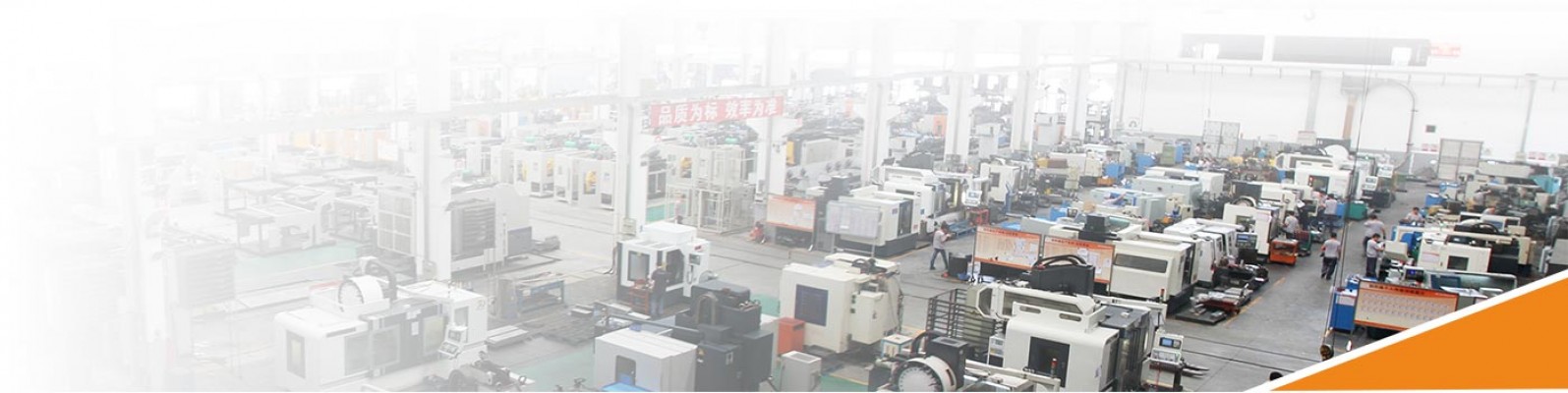
What Production Capabilities a Top Extrusion Blow Molding Machine Factory Should Offer
What Production Capabilities a Top Extrusion Blow Molding Machine Factory Should Offer
A top extrusion blow molding machine factory must offer far more than a single machine. It should provide an integrated production ecosystem that includes advanced blow molding systems, precision blow molds, centralized feeding systems, auxiliary equipment, fully automatic automation, customized project solutions, and comprehensive support. Leshan, or Guangdong Leshan Intelligent Equipment Corp., Ltd., exemplifies these capabilities. The company specializes in turnkey solutions that simplify production, enhance efficiency, and reduce operational costs. Its core offerings include blow molding systems, centralized feeding systems, fully automatic systems, customized project solutions, and end-to-end support.
Key production capabilities include precision-engineered blow molding machines available in semi-automatic, fully automatic, and multi-station models. These machines offer precise pressure and temperature control, high output, and compatibility with various molds. Blow molds must be made of high-precision steel, customizable in capacity, shape, and wall thickness, with quick mold change and efficient cooling. Centralized feeding systems automate material handling, reduce waste by 15 to 20 percent, and ensure uniform drying. Auxiliary equipment such as crushers, mixers, chillers, and conveyors improve efficiency and product quality.
Leshan demonstrates proven expertise with over 15 years of experience, mold tolerance within plus or minus 0.05 mm, and case studies including 50 million bottles annually with zero mold failure for two years. Its fully automatic lines reduce labor by up to 40 percent, and multi-station machines achieve 2,000 to 5,000 bottles per hour per station. Quick mold change minimizes downtime to under 10 minutes. High-grade mold steel extends mold life to 5 to 8 years, and integrated auxiliary systems reduce maintenance costs by 20 percent. Products meet ISO 9001 and CE standards, with defect rates under 0.5 percent.
In summary, a top factory must deliver expertise and innovation, efficiency and flexibility, durability and ROI, and quality and compliance. Leshan meets these criteria through tailored solutions, reliable equipment, a customer-centric approach, and continuous innovation. Manufacturers seeking a partner for extrusion blow molding should evaluate factories against these capabilities to ensure seamless operation, increased output, and long-term success.
In the modern plastics industry, extrusion blow molding remains one of the most efficient and versatile methods for producing hollow plastic parts, especially bottles, containers, and industrial vessels. A top extrusion blow molding machine factory must offer far more than a single machine. It must provide an integrated production ecosystem that covers mold design, material handling, automation, auxiliary equipment, quality control, and long-term service. This article examines the essential production capabilities that separate a leading factory from an average supplier. It uses Leshan, a specialist in turnkey plastic molding solutions, as a reference point for the standards that global manufacturers should expect.
When manufacturers evaluate a potential partner, they often focus on machine speed or price. However, a truly top-tier factory delivers a complete set of capabilities that work together to simplify production, enhance efficiency, and reduce operational costs. These capabilities include advanced blow molding systems, precision-engineered molds, centralized feeding systems, fully automatic automation, customized project solutions, and comprehensive support. Each element must be engineered to integrate seamlessly with the others. The result is a production line that delivers consistent quality, high output, and long-term reliability.
Leshan, formally known as Guangdong Leshan Intelligent Equipment Corp., Ltd., exemplifies this integrated approach. The company specializes in turnkey solutions that simplify production and enhance efficiency. Its expertise covers a wide range of plastic molding technologies, ensuring seamless operation, increased output, and reduced operational costs. By examining the specific capabilities that Leshan and other top factories offer, manufacturers can better understand what to demand from their equipment partners.
1. Core Blow Molding Systems: The Heart of Production
At the center of any extrusion blow molding factory is the blow molding machine itself. A top factory must offer advanced, precision-engineered machines designed for consistent, high-quality production. These systems are not merely assembly lines of parts; they are carefully calibrated machines that control pressure, temperature, and timing with exceptional accuracy. The core blow molding system determines the quality of the final product, the speed of production, and the range of materials that can be processed.
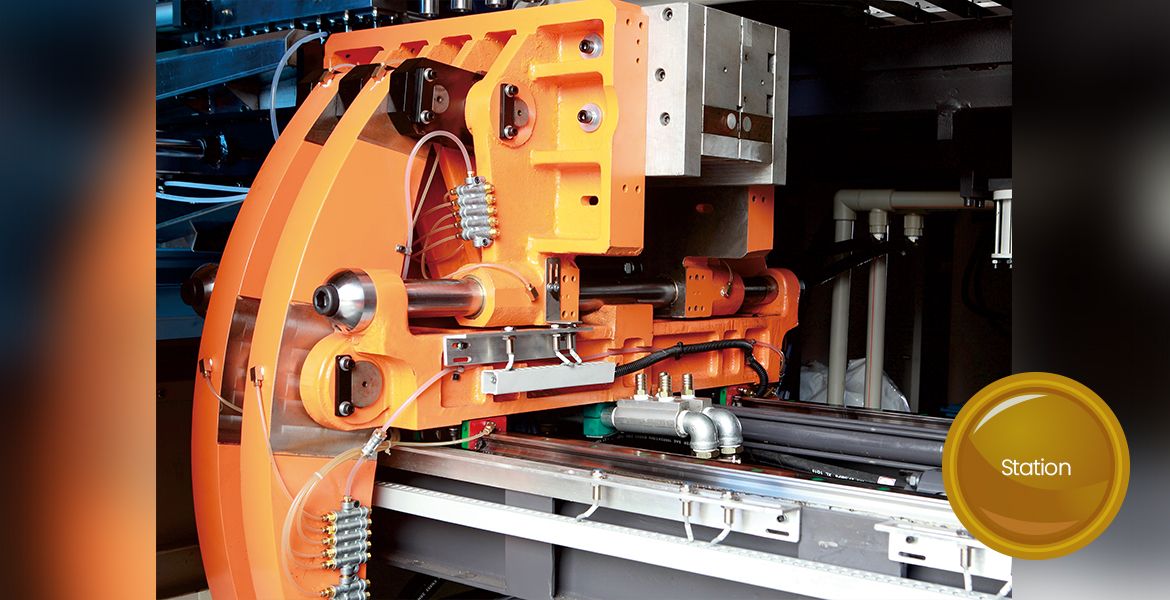
1.1 Advanced, Precision-Engineered Machines
A top factory should provide blow molding systems that are built with high-grade components and intelligent control systems. Precision engineering ensures that every bottle, container, or industrial part meets exact specifications. For example, Leshan offers blow molding systems that are designed for consistent, high-quality production. These machines use advanced hydraulics, servos, and temperature control units to maintain stable processing conditions. The result is uniform wall thickness, accurate neck dimensions, and reliable performance across long production runs.
Precision also extends to the machine frame, clamping system, and extrusion head. A robust frame minimizes vibration, which can cause variations in parison thickness. A precise clamping system ensures that molds close perfectly, preventing flash and defects. The extrusion head must deliver a homogeneous melt with minimal temperature fluctuations. Top factories invest heavily in research and development to optimize these components. They also use simulation software to predict material flow and thermal behavior before a machine is built.
1.2 Semi-Automatic, Fully Automatic, and Multi-Station Models
Different production needs require different machine configurations. A top factory should offer a range of models, including semi-automatic, fully automatic, and multi-station machines. Semi-automatic machines are suitable for low-to-medium volume production or for manufacturers who need flexibility. Fully automatic machines are ideal for high-volume production, as they minimize manual intervention and maximize output. Multi-station machines can produce multiple bottles per cycle, dramatically increasing productivity.
For instance, Leshan provides blow molding machines that are available in semi-automatic, fully automatic, or multi-station models to meet different production needs. The key advantages of these machines include precise control of pressure and temperature, which ensures consistent quality. High output design supports large-scale production. They are also compatible with various molds for different bottle specifications. This flexibility allows manufacturers to adapt to changing market demands without replacing their entire production line.
Applications for these machines are extensive. They include beverage bottles, condiment bottles, cosmetic containers, industrial chemical containers, and many other hollow plastic products. A top factory must demonstrate experience across these applications. It should be able to recommend the right machine configuration based on the product size, material, and required output. For example, a dairy producer may need a high-speed machine for small HDPE bottles, while a chemical company may require a multi-layer machine for large containers that must resist aggressive contents.
1.3 Pressure and Temperature Control
Precise control of pressure and temperature is non-negotiable in extrusion blow molding. The parison must be extruded at the correct temperature to ensure proper melt strength and drawdown. If the temperature is too high, the parison may sag or become too thin. If it is too low, the material may not flow properly, leading to weak seams or incomplete forming. Pressure control during blowing ensures that the parison expands uniformly against the mold walls. Top factories use closed-loop control systems that continuously monitor and adjust these parameters.
Leshan machines are known for their precise control of pressure and temperature, which ensures consistent quality. This precision is achieved through high-quality sensors, programmable logic controllers, and human-machine interfaces that are intuitive to operate. Operators can easily set and monitor parameters, and the system can store multiple recipes for different products. This reduces changeover time and minimizes the risk of human error.
2. Blow Molds: Precision Tooling for Consistent Quality
While the blow molding machine provides the power and motion, the blow mold determines the final shape, dimensions, and surface finish of the product. A top factory must offer high-quality blow molds that are designed and manufactured to exacting standards. The mold is not a simple cavity; it is a precision tool that must withstand high temperatures, pressures, and repeated cycles. It must also provide efficient cooling to minimize cycle time.
2.1 Function and Design of Blow Molds
Blow molds are used for forming bottles, containers, and other plastic products. They are compatible with single-layer, double-layer, or multi-layer extrusion blow molding machines. A top factory should be able to produce molds that work seamlessly with its machines, ensuring optimal performance. The molds are typically made of high-precision steel to ensure stable dimensions and accurate bottle openings. The steel must be capable of withstanding the abrasive and corrosive effects of molten plastic, especially when processing materials like PVC or engineering resins.
Customization is a key capability. Molds should be customizable in capacity, shape, and wall thickness. Quick mold change is also essential, as it allows manufacturers to switch between products rapidly. Leshan offers blow molds that are customizable in capacity, shape, and wall thickness, with quick mold change supported. This flexibility is critical for manufacturers who produce a variety of bottles or containers. It enables them to respond to market trends and customer orders without lengthy downtime.
2.2 Key Advantages of High-Quality Blow Molds
The advantages of precision blow molds are numerous. First, precision design ensures uniform wall thickness. This is important for product strength, material savings, and consistent appearance. Second, high temperature and pressure resistance ensures a long lifespan, making the molds ideal for continuous production. Third, efficient cooling reduces cycle time and boosts output. A well-designed cooling system can significantly reduce the time required for the plastic to solidify, allowing more cycles per hour.
Top factories use advanced CAD/CAM software to design molds and CNC machining centers to manufacture them. They also use high-quality steels and heat treatment processes to ensure durability. For example, Leshan uses high-precision steel and advanced cooling systems to extend mold life. In fact, high-grade mold steel and advanced cooling systems can extend mold life to 5 to 8 years under continuous production. This durability translates into lower replacement costs and less downtime for maintenance.
2.3 Quick Mold Change and Flexibility
In today's fast-paced market, flexibility is a competitive advantage. A top factory should offer a quick mold-change system that minimizes downtime. Leshan's quick mold-change system can minimize downtime to under 10 minutes. This allows fast production adaptation, enabling manufacturers to switch between different bottle designs, sizes, or materials with minimal disruption. This capability is particularly valuable for contract manufacturers who serve multiple clients with varying requirements.
Quick mold change also requires standardized mold bases and clamping mechanisms. The machine must be designed to accept molds quickly and securely. Top factories engineer their machines and molds as a system, ensuring that the interfaces are precise and reliable. This systems approach reduces setup time and improves overall equipment effectiveness.
3. Centralized Feeding Systems: Efficient Material Handling
Material handling is often overlooked, but it has a major impact on production efficiency and product quality. A top extrusion blow molding factory should offer centralized feeding systems that automate the conveying and drying of plastic materials. These systems ensure stable temperature, reduce manual labor, and minimize material waste. They also connect multiple extruders or blow molding machines for centralized management.
3.1 Function of Central Feeding Systems
A centralized feeding system centrally controls the conveying and drying of plastic materials. It typically includes vacuum conveyors, hoppers, dryers, and a central control unit. The system transports pellets from storage silos or bags to each machine, often over long distances. It also dries the material to remove moisture, which is critical for materials like PET, PC, and PA. Moisture can cause hydrolysis, leading to weak parts, bubbles, and surface defects.
Leshan offers centralized feeding systems that are automated material handling solutions. They improve efficiency, reduce material waste, and ensure seamless feeding. The system can connect multiple extruders or blow molding machines for centralized management. This is especially beneficial in large factories where dozens of machines operate simultaneously. Instead of having individual dryers and loaders at each machine, a central system serves all machines, reducing energy consumption and floor space.
3.2 Key Advantages of Centralized Feeding
The advantages of a centralized feeding system are significant. First, high automation reduces labor costs. Manual material handling is labor-intensive and prone to error. An automated system ensures that machines never run out of material, reducing downtime. Second, efficient conveying minimizes material waste. Spills and contamination are reduced because the material is transported in closed pipes. Third, the system is compatible with multiple plastic types, including PET, PP, PE, and others. This versatility allows manufacturers to process a wide range of products without changing the feeding system.
Central feeding systems also improve product consistency. By ensuring uniform drying and stable temperature, they help maintain consistent melt quality. Leshan's central feeding systems reduce material loss by 15 to 20 percent and ensure uniform drying for better product consistency. This is a tangible benefit that directly affects the bottom line. Reduced material loss means lower raw material costs, and uniform drying means fewer rejected parts.
3.3 Integration with Blow Molding Machines
A top factory must be able to integrate the central feeding system with its blow molding machines seamlessly. This requires careful engineering of the interface between the feeding system and the machine's extruder. The system must deliver the right amount of material at the right time, without causing pressure fluctuations or surging. It must also be able to handle different materials and colors, often requiring purging and cleaning between changes.
Leshan's expertise in turnkey solutions allows it to design and install complete feeding systems that work in harmony with its blow molding machines. The company's centralized feeding systems are part of a broader portfolio that includes blow molding systems, fully automatic systems, and auxiliary equipment. This integrated approach ensures that all components work together optimally, rather than as separate parts from different suppliers.
4. Auxiliary Equipment: The Support System for Continuous Production
A top extrusion blow molding factory should offer a full range of auxiliary equipment. These machines may not be the core of the production line, but they are essential for efficient, continuous operation. Auxiliary equipment includes crushers, mixers, chillers, cooling systems, and conveyor belts. Each plays a specific role in maintaining quality, reducing waste, and maximizing output.
4.1 Crushers for Recycling Scrap
Crushers are used to recycle scrap and edge materials by crushing them into small granules. In blow molding, there is always some scrap, such as flash, rejected bottles, and start-up waste. Instead of throwing this material away, manufacturers can crush it and reintroduce it into the production process. This reduces raw material costs and minimizes environmental impact. A top factory should offer durable crushers that can handle various plastics, including HDPE, PP, PET, and PVC.
Leshan provides crushers as part of its auxiliary equipment range. These crushers are designed to be reliable and easy to maintain. They can be integrated with the central feeding system to automatically return regrind to the extruder. This closed-loop system ensures that scrap is recycled efficiently, without manual intervention.
4.2 Mixers for Uniform Blending
Mixers are used to evenly mix different colors or functional plastic pellets. In many applications, manufacturers need to add colorants, additives, or fillers to the base resin. A mixer ensures that these additives are distributed uniformly, so that the final product has consistent color and properties. A top factory should offer mixers that are capable of handling various pellet sizes and shapes, and that can be cleaned easily to prevent cross-contamination.
Leshan's auxiliary equipment includes mixers that are designed for even mixing. These mixers help manufacturers achieve the desired color and performance characteristics. They are particularly important for products that require strict color matching, such as cosmetic containers or branded beverage bottles.
4.3 Chillers and Cooling Systems
Chillers and cooling systems are critical for maintaining mold and product temperature. In extrusion blow molding, the mold must be cooled to solidify the plastic quickly. If the mold is too hot, the cycle time increases, and the product may deform. If the mold is too cold, the plastic may not flow properly, or internal stresses may develop. A top factory should offer precise chilling systems that maintain stable temperatures throughout the production run.
Leshan provides chiller and cooling systems that ensure precision. These systems are designed to be energy-efficient and reliable. They help reduce cycle time and improve product quality. Efficient cooling reduces cycle time and boosts output, which is a key advantage for high-volume production.
4.4 Conveyor Belts for Automated Transport
Conveyor belts automatically transport finished products for continuous production. After a bottle or container is ejected from the mold, it needs to be moved to the next stage, such as trimming, inspection, or packaging. Manual handling is slow and can cause damage. A conveyor belt automates this process, ensuring a smooth flow of products. A top factory should offer conveyor systems that are designed to match the output of the blow molding machine.
Leshan's auxiliary equipment includes conveyor belts that improve production line efficiency and product quality. Automated operation reduces complexity, and durable design minimizes maintenance costs. These conveyors can be customized to fit the layout of the factory and the specific needs of the product.
4.5 Key Advantages of Auxiliary Equipment
The overall advantages of auxiliary equipment are clear. They improve production line efficiency and product quality. Automated operation reduces complexity, allowing operators to focus on more critical tasks. Durable design minimizes maintenance costs, which is important for 24/7 operations. A top factory should be able to supply all these auxiliary components as part of a complete turnkey solution, ensuring that they are compatible and properly integrated.
5. Fully Automatic Systems: The Power of Intelligent Automation
Automation is transforming the plastics industry. A top extrusion blow molding factory should offer fully automatic systems that use intelligent automation technology to minimize downtime, enhance efficiency, and optimize workflow. These systems go beyond simple mechanization; they use sensors, programmable logic controllers, and data analytics to monitor and control the production process.
5.1 What Makes a System Fully Automatic
A fully automatic blow molding system handles the entire production cycle with minimal human intervention. This includes material feeding, parison extrusion, mold closing, blowing, cooling, mold opening, product ejection, and trimming. The system can also include automatic quality inspection and packaging. The goal is to reduce labor, eliminate human error, and increase output.
Leshan offers fully automatic systems that are based on intelligent automation technology. These systems minimize downtime by automatically detecting and responding to faults. For example, if a parison breaks or a mold fails to close, the system can pause, alert the operator, and resume when the issue is resolved. This reduces unplanned downtime and keeps production on track.

5.2 Benefits of Full Automation
The benefits of full automation are substantial. First, labor costs are reduced. Fully automated production lines reduce labor by up to 40 percent. This is a significant saving, especially in regions with high labor costs. Second, efficiency is enhanced. The system runs at a consistent pace, without the fatigue and variability of human operators. Third, workflow is optimized. The system coordinates all stages of production, from feeding to packaging, ensuring a smooth flow.
Leshan's fully automatic systems are designed to be user-friendly. They feature intuitive human-machine interfaces that allow operators to monitor and control the process. The systems can also be integrated with factory-wide manufacturing execution systems for real-time data collection and analysis. This enables managers to track key performance indicators, such as cycle time, output, and defect rate.
5.3 Multi-Station Blow Molding Machines
Multi-station blow molding machines are a key component of fully automatic systems. These machines have multiple molds that rotate or shuttle, allowing several products to be produced simultaneously. Leshan's multi-station blow molding machines achieve production speeds of 2,000 to 5,000 bottles per hour per station. This high output supports large-scale production and makes the factory competitive in global markets.
Multi-station machines also offer flexibility. They can be equipped with different molds on different stations, allowing simultaneous production of different products. This is useful for manufacturers who need to produce a variety of bottles in smaller batches. The quick mold-change system further enhances this flexibility.
6. Customized Project Solutions: Tailor-Made for Specific Needs
No two manufacturers have exactly the same requirements. A top extrusion blow molding factory should offer customized project solutions that are tailor-made to meet specific production requirements. This begins with initial planning and design and continues through final installation and operation. A one-size-fits-all approach is not acceptable in a competitive market.
6.1 From Concept to Installation
Leshan specializes in turnkey solutions that simplify production and enhance efficiency. The company's customized project solutions are designed to meet specific production requirements. The process typically starts with a consultation to understand the customer's product, material, output, and budget. Then, a team of engineers designs the production line, selecting the right blow molding machines, molds, feeding systems, and auxiliary equipment. The design is presented to the customer for approval, and then the equipment is manufactured and tested.
After manufacturing, the equipment is shipped to the customer's site and installed. Leshan provides comprehensive support during installation, including technical consulting, system integration, and training. The goal is to ensure that the production line starts up smoothly and reaches its designed output quickly. This end-to-end approach reduces the customer's risk and ensures that all components work together seamlessly.
6.2 Custom Bottle Designs and Capacities
A top factory should support custom bottle designs and a wide range of capacities. Leshan supports custom bottle designs, capacities from 100 mL to 10 L, and multi-layer PET/PP blow molding. This range covers small cosmetic bottles, medium beverage bottles, and large industrial containers. Multi-layer blow molding is particularly important for products that require barrier properties, such as food and chemical containers.
Customization also extends to wall thickness, neck finish, and surface finish. The factory's mold designers work with the customer to create a mold that produces the exact desired product. They can also simulate the blow molding process to ensure that the design is manufacturable and that the cycle time is optimized.
6.3 Quick Mold-Change and Flexibility
Flexibility is essential for manufacturers who produce a variety of products. Leshan's quick mold-change system minimizes downtime to under 10 minutes. This allows fast production adaptation. A manufacturer can switch from one bottle design to another in less time than it takes to complete a coffee break. This capability is a major competitive advantage, as it allows manufacturers to respond quickly to customer orders and market trends.
To achieve this, Leshan uses standardized mold bases, quick-release clamps, and pre-heating stations. The machine's control system stores mold recipes, so that when a new mold is installed, the correct parameters are automatically loaded. This reduces setup time and eliminates trial-and-error.
7. Comprehensive Support: A Partner in Success
A top extrusion blow molding factory is more than just a supplier. It is a partner in success. This means offering comprehensive support that covers the entire lifecycle of the equipment. Support includes technical consulting, system integration, maintenance, and upgrades. Without strong support, even the best equipment can underperform.
7.1 Technical Consulting and System Integration
Technical consulting is the first step in a successful project. A top factory should have experienced engineers who can advise on material selection, product design, machine configuration, and factory layout. They should be able to analyze the customer's needs and propose the most efficient and cost-effective solution. Leshan offers technical consulting as part of its comprehensive support. The company's expertise covers a wide range of plastic molding technologies, ensuring seamless operation.
System integration is also critical. The blow molding machine, molds, feeding system, and auxiliary equipment must work together as a single system. Leshan's engineers are skilled at integrating all these components, ensuring that they communicate properly and operate in harmony. This reduces the risk of bottlenecks and downtime.
7.2 Maintenance and Upgrades
Maintenance is essential for long-term reliability. A top factory should offer maintenance services, including preventive maintenance, spare parts supply, and emergency repairs. Leshan provides end-to-end assistance, including maintenance and upgrades. Preventive maintenance can extend the life of the equipment, reduce unplanned downtime, and ensure consistent quality.
Upgrades are also important. As technology advances, manufacturers may want to improve their production line with new features, such as improved controls, energy-saving devices, or higher output. Leshan continuously improves and optimizes its products to stay ahead of industry advancements. The company can upgrade existing machines to improve performance and extend their useful life.
7.3 Customer-Centric Approach
Leshan's customer-centric approach means that the company listens, adapts, and delivers solutions that work best for the customer. This is a key reason why businesses choose Leshan. The company does not believe in one-size-fits-all. Every project is customized to meet unique production needs. This philosophy ensures that customers get the right solution, not just a standard product.
Proven expertise, tailored solutions, reliability and durability, customer-centric approach, and innovative technology are the core reasons why businesses choose Leshan. With years of experience in plastic molding and blow molding, the company has in-depth industry knowledge to deliver the best solutions. Its high-performance equipment is built to last, ensuring long-term operational stability.
8. Quality and Compliance: Meeting International Standards
Quality is non-negotiable in plastic manufacturing. A top extrusion blow molding factory must adhere to international standards and have robust quality control systems. This ensures that the equipment is safe, reliable, and capable of producing high-quality products consistently. Compliance with standards such as ISO 9001 and CE is a minimum requirement.
8.1 ISO 9001 and CE Certification
Leshan's products meet ISO 9001 and CE standards, ensuring safety and reliability. ISO 9001 is a quality management system standard that ensures consistent processes and continuous improvement. CE marking indicates that the equipment complies with European health, safety, and environmental protection standards. These certifications give customers confidence that the equipment is built to high standards.
But certification alone is not enough. A top factory must have a culture of quality that permeates every stage of design, manufacturing, and testing. This includes incoming material inspection, in-process quality checks, and final performance testing. Leshan uses continuous monitoring with visual inspection and leak-testing systems to guarantee defect rates under 0.5 percent. This is an impressive level of quality control that few factories can match.
8.2 In-Line Inspection and Leak Testing
In-line inspection systems are essential for high-volume production. These systems can check for visual defects, such as black spots, bubbles, or incomplete forming. They can also measure critical dimensions, such as neck diameter and wall thickness. Leak-testing systems pressurize the container and check for leaks, ensuring that the product will not fail in use. A top factory should offer these systems as part of its fully automatic lines.
Leshan's continuous monitoring with visual inspection and leak-testing systems guarantees defect rates under 0.5 percent. This means that fewer than 5 out of every 1,000 bottles are defective. For a manufacturer producing millions of bottles per year, this translates into significant savings and higher customer satisfaction.
8.3 Traceability and Documentation
Traceability is another aspect of quality. A top factory should provide documentation for all materials, components, and processes. This allows manufacturers to trace any quality issue back to its source. Documentation also helps with regulatory compliance, especially for food and medical packaging. Leshan provides comprehensive documentation and certificates for all its equipment.
9. Durability and Cost-Effectiveness: Built to Last
Extrusion blow molding machines are capital equipment. They are expected to run for many years, often 24 hours a day, 7 days a week. Therefore, durability and cost-effectiveness are critical capabilities. A top factory must build equipment that lasts and delivers a strong return on investment.
9.1 High-Grade Materials and Construction
Leshan uses high-grade mold steel and advanced cooling systems to extend mold life to 5 to 8 years under continuous production. This is significantly longer than the industry average. The machines themselves are built with heavy-duty frames, high-quality screws and barrels, and reliable electrical components. This construction ensures that the equipment can withstand the rigors of continuous operation.
Durability also depends on the quality of the auxiliary systems. Leshan's auxiliary systems, including crushers, mixers, chillers, and conveyors, integrate seamlessly and reduce maintenance costs by 20 percent. This integrated design means that all components are matched to the application, preventing premature wear and tear.
9.2 Reduced Maintenance and Downtime
Reduced maintenance is a direct benefit of durable design. When equipment is built to last, it requires fewer repairs and less frequent replacement of parts. This reduces downtime and maintenance costs. Leshan's industrial container line ran 24/7 for 18 months with minimal maintenance interruptions. This case demonstrates the reliability of Leshan's equipment and its ability to support continuous production.
Achieving ROI in under 12 months is another key advantage. For the industrial container line mentioned above, the customer achieved ROI in under 12 months. This is possible because of high output, low material waste, reduced labor, and low maintenance costs. When all these factors are combined, the equipment pays for itself quickly.
9.3 Energy Efficiency
Energy efficiency is an increasingly important aspect of cost-effectiveness. A top factory should design machines that consume less energy per bottle produced. This can be achieved through efficient motors, optimized heating systems, and intelligent control of auxiliary equipment. Leshan continuously improves its products to stay ahead of industry advancements, including energy efficiency. Lower energy consumption reduces operating costs and environmental impact.
10. Expertise and Reliability: A Track Record of Success
Experience matters. A top extrusion blow molding factory should have a proven track record of successful projects. This is built on expertise, reliability, and a deep understanding of the industry. Leshan has over 15 years of experience in designing and manufacturing blow molding systems. This experience is reflected in the quality and performance of its equipment.
10.1 Precision Engineering and Tolerance
Precision engineering ensures mold tolerance within plus or minus 0.05 mm, guaranteeing consistent bottle quality. This level of precision is critical for products that require tight dimensional tolerances, such as bottles with screw caps or snap-on lids. If the neck diameter is too large or too small, the cap will leak or not fit. Leshan's precision engineering ensures that every mold meets the required specifications.
To achieve this, Leshan uses advanced CNC machining centers, coordinate measuring machines, and other precision inspection equipment. The company also employs experienced mold makers who take pride in their craft. This combination of technology and skill results in molds that are both precise and durable.
10.2 Proven Case Studies
Case studies are a powerful way to demonstrate expertise. Leshan partnered with a leading beverage company to produce over 50 million bottles annually with zero mold failure for 2 consecutive years. This is a remarkable achievement. It shows that Leshan's molds can withstand the demands of high-volume production without failing. Zero mold failure means no unplanned downtime, no lost production, and no emergency repairs.
In another case, Leshan customized a multi-layer PET line for a cosmetics brand, increasing production efficiency by 30 percent while maintaining strict aesthetic standards. Cosmetics packaging requires high clarity, gloss, and color consistency. Leshan's multi-layer PET blow molding technology met these requirements while also improving efficiency. This demonstrates the company's ability to handle challenging applications.
10.3 Reliability and Long-Term Partnership
Reliability is about more than just equipment. It is about being a dependable partner. Leshan's customer-centric approach means that the company is responsive to customer needs, both before and after the sale. The company provides spare parts, technical support, and training to ensure that customers can operate and maintain their equipment effectively. This long-term partnership approach is why many customers choose Leshan for multiple projects.

11. Efficiency and Productivity: Maximizing Output
Efficiency and productivity are the ultimate measures of a production line's success. A top extrusion blow molding factory should offer equipment and systems that maximize output while minimizing waste. This requires a combination of high-speed machines, optimized processes, and intelligent automation.
11.1 High Output Design
Leshan's multi-station blow molding machines achieve production speeds of 2,000 to 5,000 bottles per hour per station. This high output supports large-scale production. For example, a machine with four stations could produce up to 20,000 bottles per hour. This is sufficient to meet the demands of large beverage or dairy companies. High output also reduces the cost per bottle, as fixed costs are spread over more units.
To achieve high output, the machine must be designed for fast cycling. This includes fast mold opening and closing, efficient cooling, and rapid parison extrusion. Leshan's machines use high-response hydraulic or servo systems to achieve these speeds. The control system also optimizes the cycle time by adjusting parameters in real time.
11.2 Reducing Material Loss
Material loss is a major cost in blow molding. It includes scrap, flash, and rejected parts. Leshan's central feeding systems reduce material loss by 15 to 20 percent and ensure uniform drying for better product consistency. This is achieved by precise conveying, minimized spills, and uniform drying. The crusher and regrind system further reduces waste by recycling scrap back into the process.
Reducing material loss also has an environmental benefit. Less waste means less plastic sent to landfill or incineration. This helps manufacturers meet sustainability goals and comply with environmental regulations.
11.3 Labor Reduction
Labor is another significant cost. Fully automated production lines reduce labor by up to 40 percent. This is possible because the machines handle most tasks automatically. Operators are needed mainly for monitoring, quality checks, and maintenance. Reducing labor not only cuts costs but also addresses labor shortages, which are a challenge in many regions.
Leshan's fully automatic systems are designed to be easy to operate. The human-machine interface is intuitive, and the system provides clear alarms and diagnostics. This reduces the training time required for new operators and minimizes the risk of human error.
12. Customization and Flexibility: Adapting to Market Demands
Markets change rapidly. Consumer preferences shift, new products are introduced, and regulations evolve. A top extrusion blow molding factory must offer customization and flexibility so that manufacturers can adapt quickly. This includes custom mold designs, multi-layer capabilities, and quick changeover.
12.1 Custom Bottle Designs and Multi-Layer Technology
Leshan supports custom bottle designs, capacities from 100 mL to 10 L, and multi-layer PET/PP blow molding. Multi-layer technology is used to create containers with barrier properties. For example, a multi-layer bottle might have an inner layer of virgin PET, a middle layer of recycled PET, and an outer layer of virgin PET. This reduces cost while maintaining food safety. Or it might have a barrier layer to prevent oxygen from entering, extending the shelf life of juice or beer.
Custom designs also include unusual shapes, handles, and embossed logos. Leshan's mold designers use advanced software to create these designs and ensure that they are manufacturable. They can also provide rapid prototyping to help customers evaluate the design before committing to production molds.
12.2 Quick Mold Change and Small Batch Production
Quick mold change is essential for flexibility. Leshan's quick mold-change system minimizes downtime to under 10 minutes. This allows fast production adaptation. Manufacturers can produce small batches of different products without losing efficiency. This is particularly important for cosmetic and pharmaceutical companies, which often have many product variants with limited production runs.
Small batch production also requires a flexible feeding system. Leshan's central feeding systems can handle multiple materials and colors, making it easy to switch between products. The system can be purged quickly to prevent cross-contamination.
12.3 Scalability and Future Expansion
A top factory should design equipment that can be scaled up as the customer's business grows. This might mean adding more machines, upgrading to multi-station models, or integrating additional automation. Leshan's modular approach allows customers to start with a basic line and expand it later. The company's comprehensive support includes upgrades, so customers can take advantage of new technologies as they become available.
13. Case Studies: Real-World Examples of Top Capabilities
To illustrate what a top factory can achieve, consider these real-world examples from Leshan's portfolio.
13.1 Beverage Bottle Production
A leading beverage company needed to produce over 50 million PET bottles annually. The company required high output, consistent quality, and zero mold failure. Leshan designed a turnkey solution that included multi-station blow molding machines, precision molds, a central feeding system, and fully automatic inspection. The line achieved the required output and ran for two consecutive years with zero mold failure. The beverage company reported high customer satisfaction and reduced production costs.
13.2 Cosmetic Container Production
A cosmetics brand needed multi-layer PET containers with a premium look. The containers required high clarity, uniform wall thickness, and a specific color match. Leshan customized a multi-layer PET line that increased production efficiency by 30 percent while maintaining strict aesthetic standards. The brand was able to launch a new product line successfully and expand its market share.
13.3 Industrial Chemical Container Production
An industrial container manufacturer needed large HDPE containers for aggressive chemicals. The containers had to be strong, leak-proof, and resistant to stress cracking. Leshan provided a complete production line with high-tonnage blow molding machines, durable molds, and a central feeding system. The line ran 24/7 for 18 months with minimal maintenance interruptions. The manufacturer achieved ROI in under 12 months and has since ordered additional lines.
14. How to Evaluate a Top Extrusion Blow Molding Machine Factory
When choosing a partner, manufacturers should evaluate potential factories against a checklist of capabilities. The following criteria can help.
- Core machine range: Does the factory offer semi-automatic, fully automatic, and multi-station machines?
- Mold quality: Are molds made of high-precision steel? Do they offer quick mold change and efficient cooling?
- Feeding systems: Does the factory provide centralized feeding that reduces material waste and labor?
- Auxiliary equipment: Are crushers, mixers, chillers, and conveyors available and integrated?
- Automation: Does the factory offer fully automatic systems with intelligent control?
- Customization: Can the factory tailor solutions to specific product designs and capacities?
- Support: Does the factory provide technical consulting, installation, training, maintenance, and upgrades?
- Quality certifications: Are products ISO 9001 and CE certified? What is the defect rate?
- Durability: What is the expected mold life? What is the maintenance cost?
- Proven track record: Does the factory have case studies and references?
Leshan meets all these criteria. Its proven expertise, tailored solutions, reliability and durability, customer-centric approach, and innovative technology make it a top choice for manufacturers worldwide.
15. Future Trends and the Evolving Role of the Factory
The extrusion blow molding industry is evolving. A top factory must anticipate future trends and incorporate them into its capabilities. Key trends include Industry 4.0, sustainability, and advanced materials.
15.1 Industry 4.0 and Smart Manufacturing
Industry 4.0 involves the integration of digital technologies into manufacturing. This includes the Internet of Things, cloud computing, and data analytics. A top factory should offer machines that can connect to the factory network and provide real-time data. This data can be used to monitor performance, predict maintenance needs, and optimize production. Leshan's fully automatic systems are designed with intelligent automation technology that can be integrated into smart factories.
15.2 Sustainability and Energy Efficiency
Sustainability is a growing concern. Manufacturers are under pressure to reduce waste, energy consumption, and carbon emissions. A top factory should design equipment that is energy-efficient and supports recycling. Leshan's central feeding systems reduce material loss by 15 to 20 percent, and its crushers enable scrap recycling. The company also continuously improves energy efficiency to reduce operating costs and environmental impact.
15.3 Advanced Materials and Multi-Layer Technology
New materials and multi-layer structures are expanding the possibilities of blow molding. Barrier materials, bio-based plastics, and recycled content are becoming more common. A top factory must have the expertise to process these materials. Leshan supports multi-layer PET/PP blow molding and can handle a variety of plastic types, including PET, PP, PE, and more. This versatility ensures that manufacturers can adapt to changing material trends.
16. Conclusion: The Complete Package
A top extrusion blow molding machine factory must offer a complete package of production capabilities. This includes advanced blow molding systems, precision blow molds, centralized feeding systems, auxiliary equipment, fully automatic automation, customized project solutions, and comprehensive support. It must also demonstrate expertise, reliability, efficiency, flexibility, durability, and quality compliance. Leshan exemplifies these capabilities. With over 15 years of experience, precision engineering, and a customer-centric approach, Leshan is more than just a supplier. It is a partner in success. Manufacturers who choose a factory with these capabilities can expect seamless operation, increased output, reduced operational costs, and a strong return on investment.
In a competitive global market, the right partner can make all the difference. By evaluating potential factories against the criteria outlined in this article, manufacturers can find a partner that will help them succeed today and in the future. Leshan's key offerings, including blow molding systems, centralized feeding systems, fully automatic systems, customized project solutions, and comprehensive support, are designed to meet these exact needs. The company's proven expertise, tailored solutions, reliability, customer-centric approach, and innovative technology make it a standout choice for any manufacturer seeking a top extrusion blow molding machine factory.
Summary of Core Advantages: Expertise plus innovation delivers advanced engineering and high precision molds. Efficiency plus flexibility delivers automated systems, fast mold changes, and high output. Durability plus ROI delivers long-lasting molds, low maintenance, and proven cost-effectiveness. Quality plus compliance delivers ISO and CE certification and industry-leading defect control.